Why
Strength is not the problem
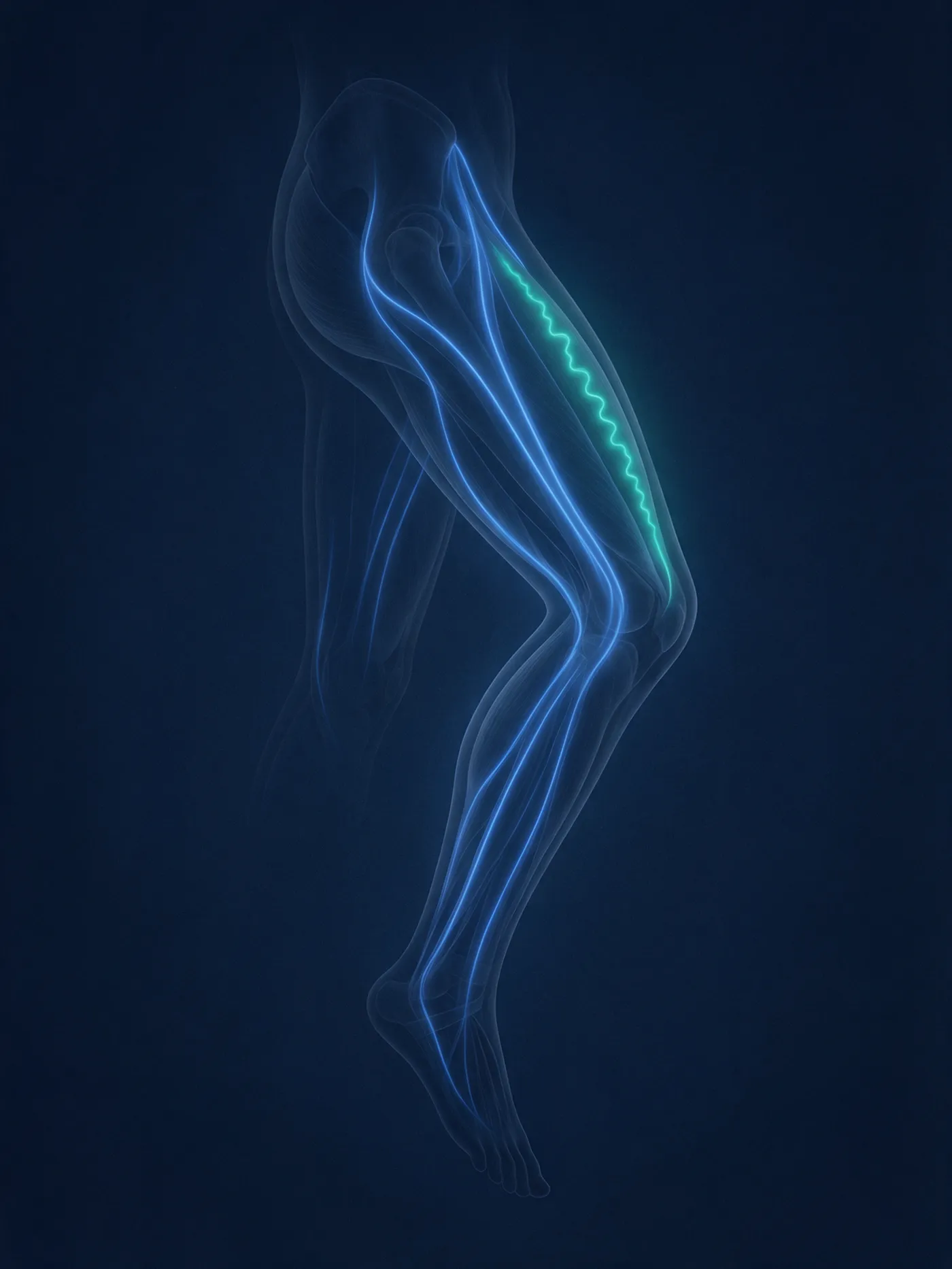
When an extensor tests weak, the muscle is usually there. The signal is not. Clients compensate, and the same back, hip or neck complaint comes back every week.
Free mini class · 7 videos
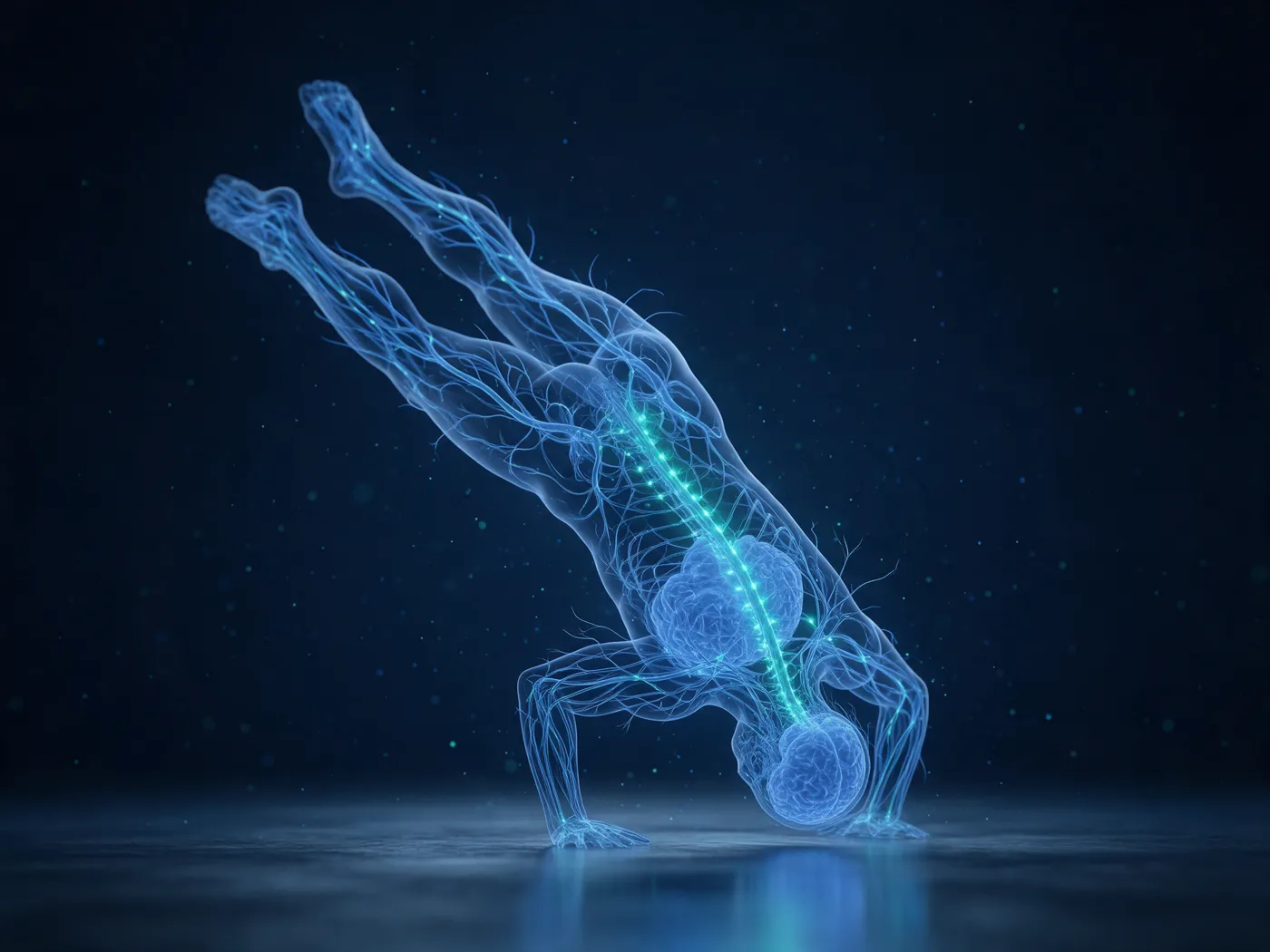
Your client's glutes, back or neck extensors test weak, and more strengthening does not fix it. Often the nervous system has switched them off. In seven free videos David shows you the inputs that switch them back on, and how to test that it worked, in the same session.
Instant access
Enter your details and your login arrives by email straight away.
No card needed. One click to unsubscribe from our emails.
What you learn
One theme, the muscles along the back of the body, and the different inputs that switch them back on. Watch a lesson, try it with your next client.
Why it matters
Why
When an extensor tests weak, the muscle is usually there. The signal is not. Clients compensate, and the same back, hip or neck complaint comes back every week.
What
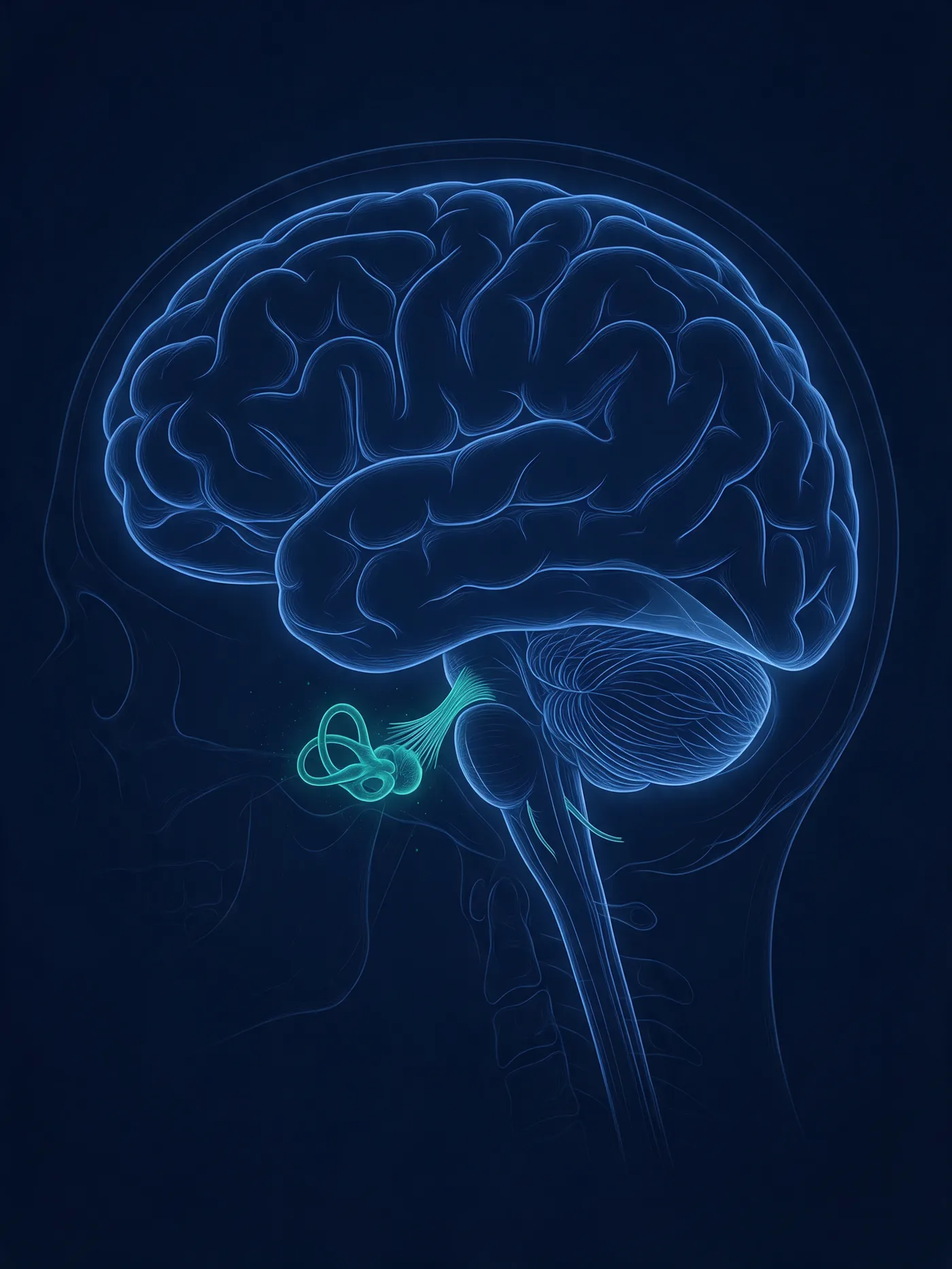
The eyes, the balance system, a stretch or a tap can each switch a muscle back on. The class shows you each one, then how to stack them.
How
Test the muscle, apply the input, test again. You and your client see the change in the same session.

Your teacher
Personal trainer and Holistic Health Practitioner, and the creator of Applied Movement Neurology. This mini class is a first taste of the method he teaches in CES and Levels 1 to 3.
Questions
Yes. No card and no trial. It is a first taste of how AMN works.
Straight after you sign up we email your login to the AMN members' area. You will also get an invite to our free community. If you cannot see the email, check your spam folder and add [email protected] to your contacts.
Advanced personal trainers, movement therapists and clinicians. No medical or neurology background is needed.
No. AMN is an exercise-based system. It does not diagnose or treat medical conditions and does not replace medical advice.