“The tissue tests fine. It still hurts.”
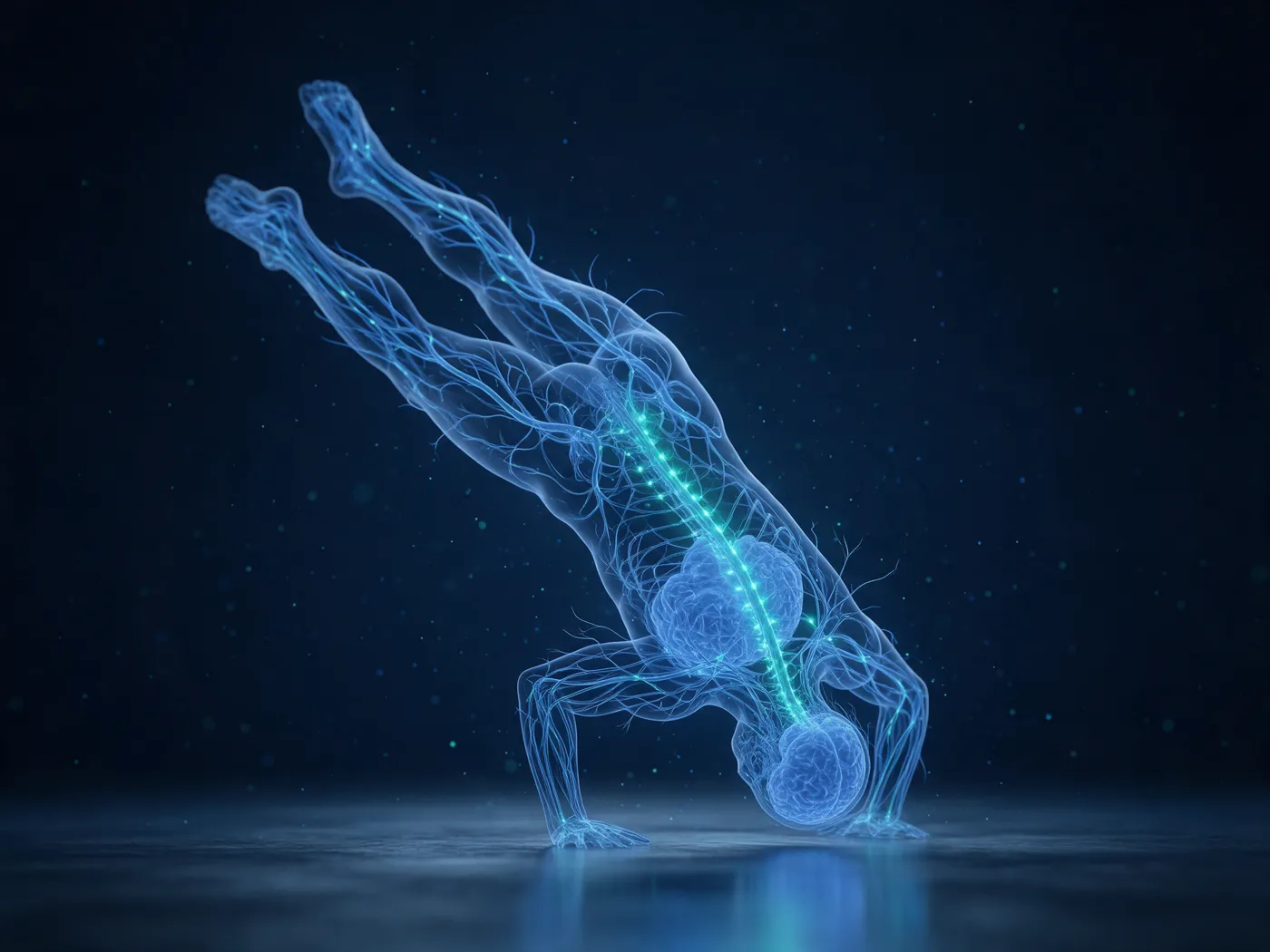
Some pain is processed centrally. You will scan the brainstem and the homunculus, test for nociceptive pain and use mental motor imagery where hands-on work alone has stalled.
 AMN Level 2 Mastermind · Advanced applications
You have run the Level 2 screen, calibrated everything it found, and the client is still not right. The Mastermind takes you into the systems behind those cases: how the brainstem processes pain, the motor system that runs the pelvic floor and breathing, the peripheral nerves, and the circuitry of sleep.
Or 2 × £192 · lifetime access · for AMN Level 2 practitioners
£384£549You save £165
Black Friday price, paid in full · or 2 monthly payments of £192
+ The Client Toolkit, freeOnly when you pay £384 in full. Not with 2 monthly payments.
Where the screen runs out
The Neuro-Skeletal Screen resolves most of what walks in. A few clients come back unchanged. The Mastermind was built from those cases.
Some pain is processed centrally. You will scan the brainstem and the homunculus, test for nociceptive pain and use mental motor imagery where hands-on work alone has stalled.
Pelvic floor, core and breathing are run by the emotional motor system, which works alongside the one you train. The EMS screen puts you in contact with it.
Poor sleep slows every other change. You will assess the arousal and sleep circuits, and calibrate the body clock after travel or shift work.
Below the muscle is the brain.
The same muscle test you already use, pointed at the brainstem, the emotional motor system, the nerves and the sleep circuits.
Ahead of its time
The Mastermind uses the Level 2 screen as its reference point and goes one layer deeper, into the central structures that decide how a muscle, a joint or a client’s night responds.
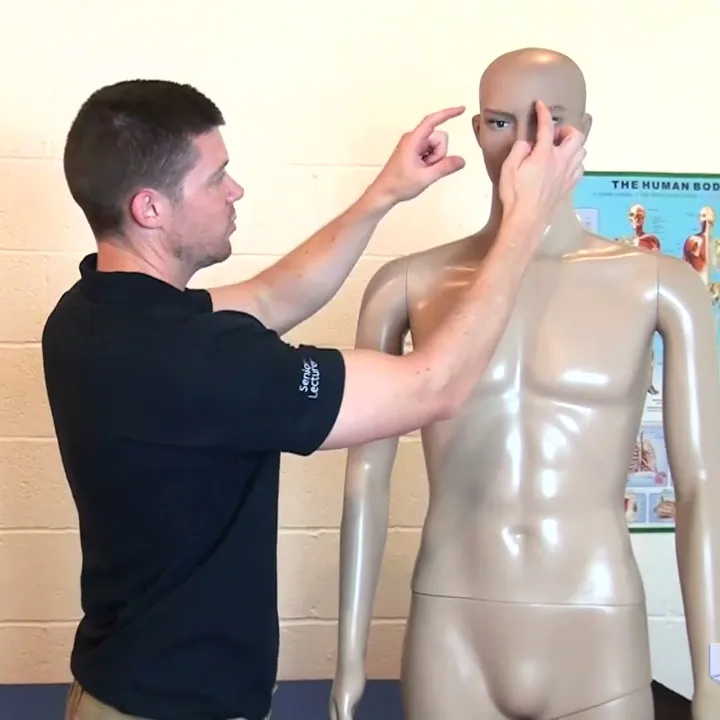
Scan the brainstem and the homunculi for increased bioelectrical charge, and find which central pain pathway is involved.
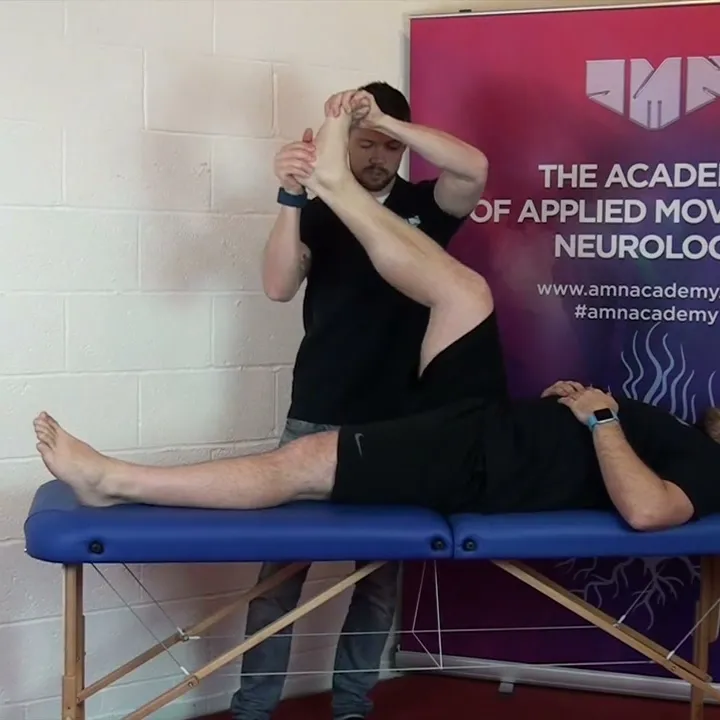
A screen that tells you when a peripheral nerve needs a glide or a floss, and where along the nerve to work so the client stays comfortable.
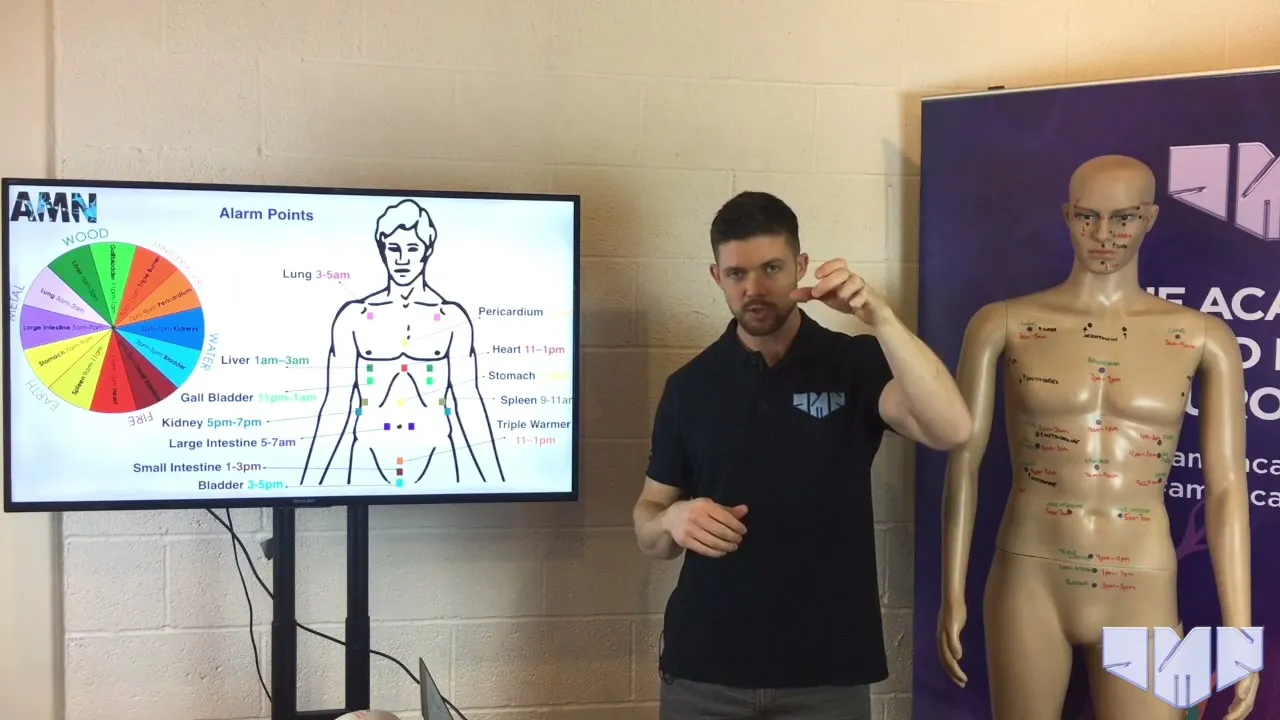
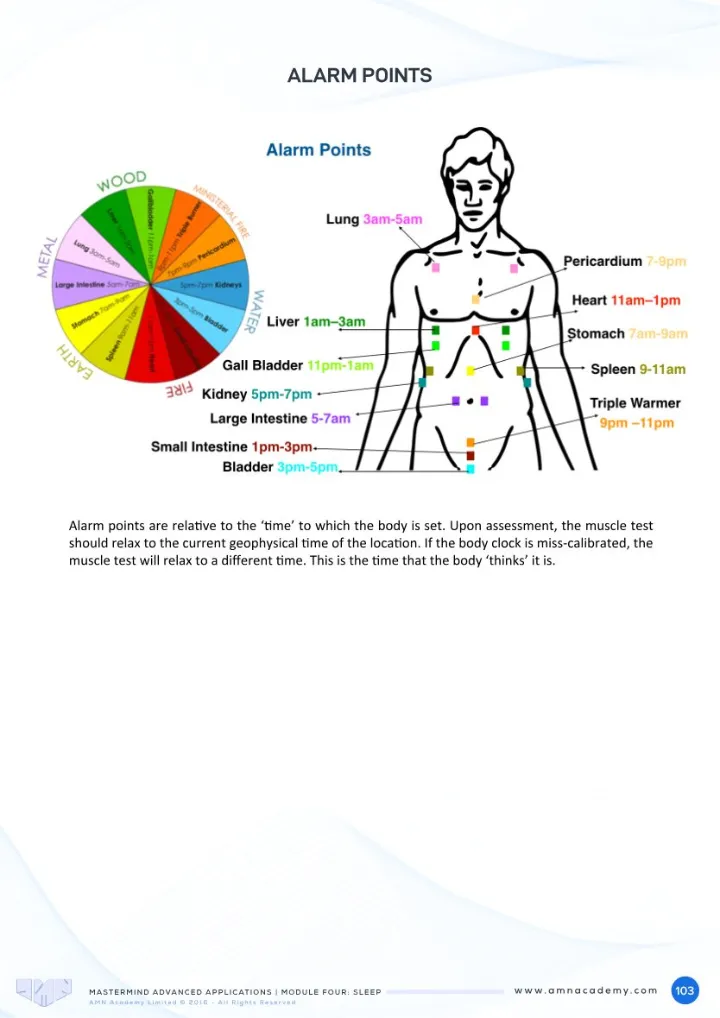
Calibrate the arousal system and the body clock through the alarm points, then combine it with your other AMN findings.
Inside the Mastermind
Each module adds a screen you can run inside a normal session, with the theory first and the practical on video.
Module 2 · The emotional motor system
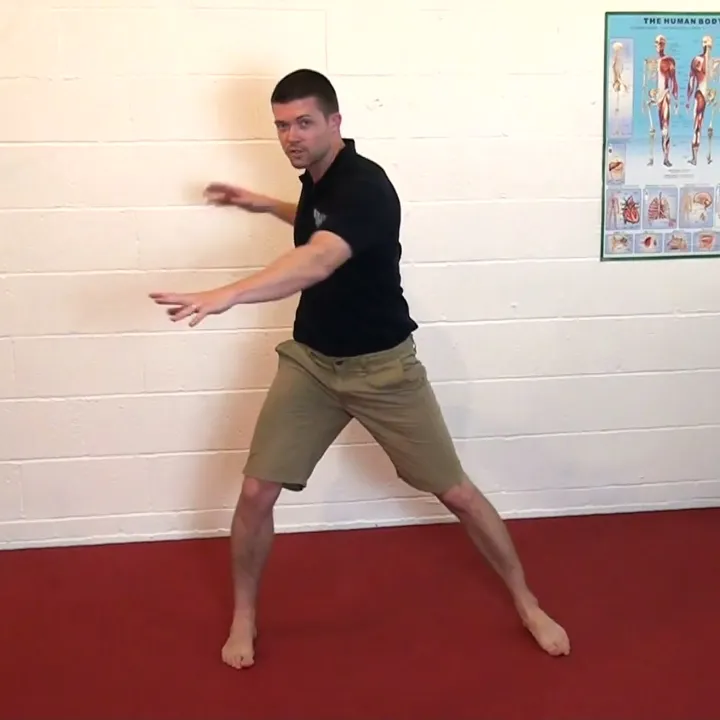
Clients can squeeze on command. Continence, breathing and the core under load run on a second, older motor system.
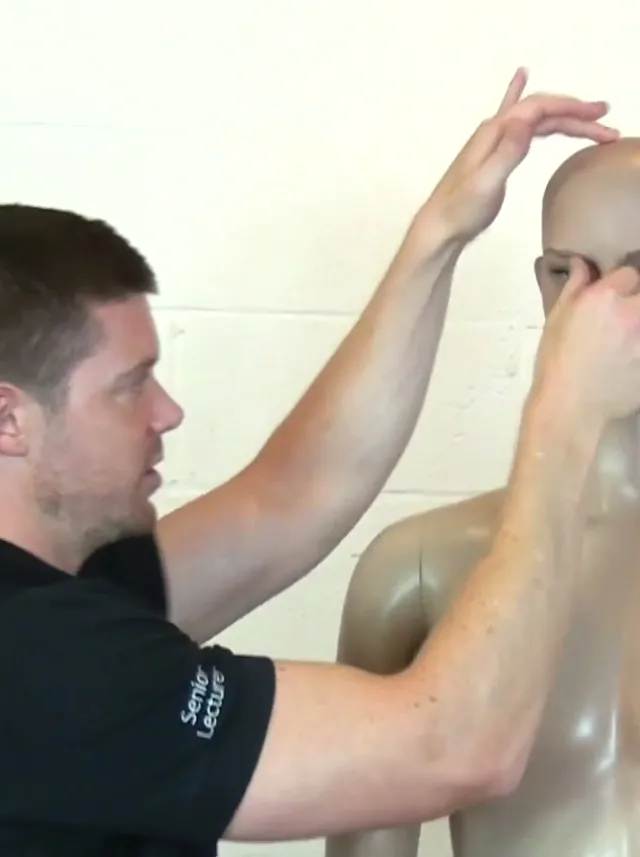
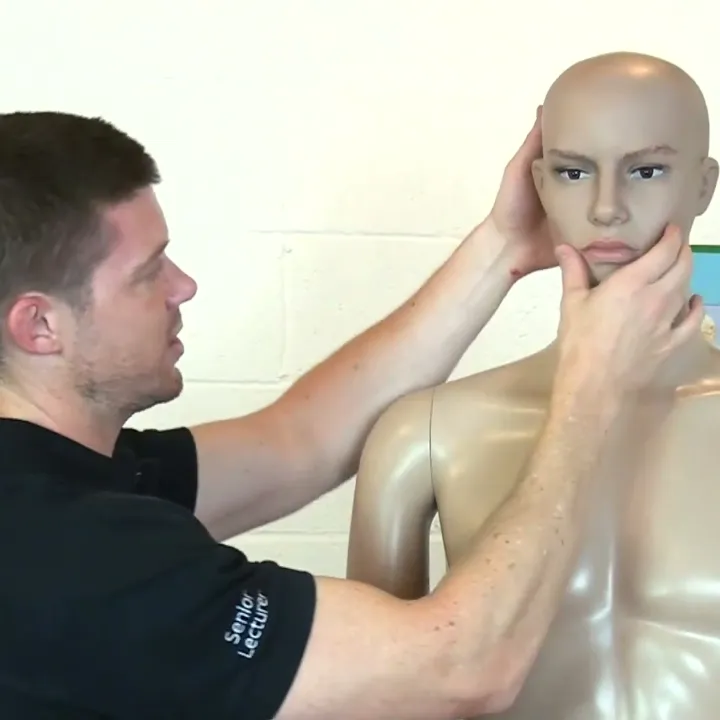
The emotional motor system works in parallel with the volitional one, and it is closely tied to the autonomic nervous system. Rehab exercises train the volitional side, which is why progress is often slow. The EMS screen lets you reset the system that actually runs these areas.
The EMS links to respiratory, pelvic floor, abdominal and low back problems, muscle recruitment, and throat and voice problems, stuttering included.
Module 1 · 2 lessons
Built for complex and resistant pain. Central pain processing pathways, scanning the homunculi, and using mental motor imagery with calibration.
Module 2 · 5 lessons
The pelvic floor and pelvic organ stimulating centres, intra-abdominal and thoracic pressure, the nucleus retroambiguus and the foot’s link to the pelvic floor.
Module 3 · 6 lessons
After injury or surgery, nerves lose their glide. Screen for it, then mobilise and floss the nerves of the upper and lower limb, using inter-limb neural coupling.
Module 4 · 3 lessons
The arousal system, the sleep switch and circadian timing. Assess both sides, reset the body clock and calibrate the neurotransmitter screens.
In the manual
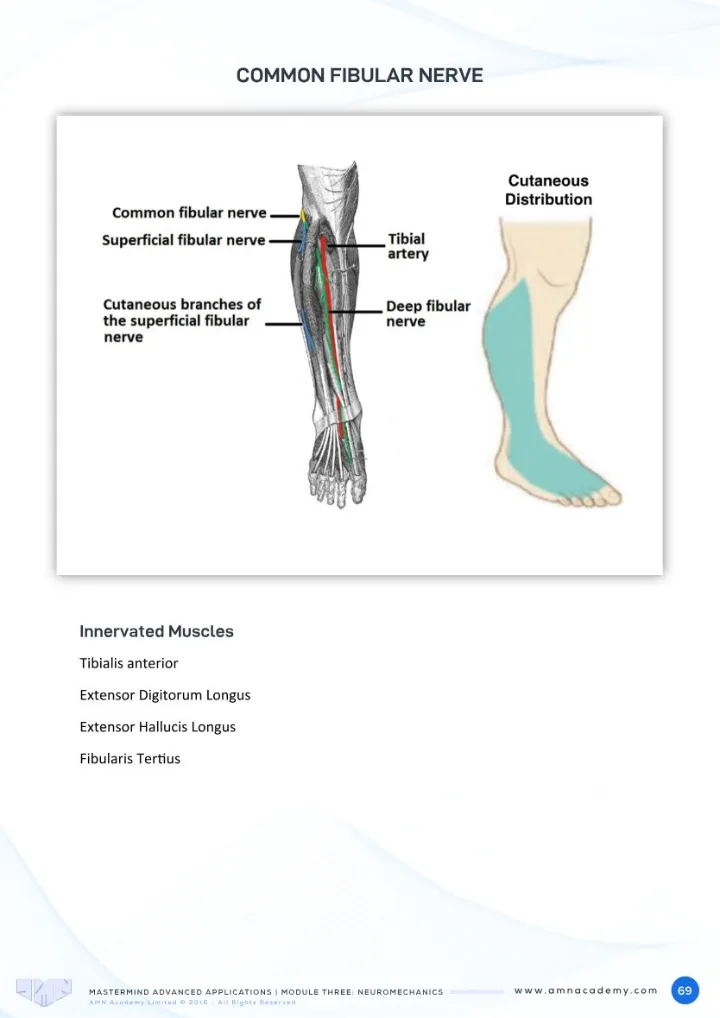
Tibial, common fibular, femoral, obturator, axillary, radial, median, ulnar and musculocutaneous, each with its cutaneous distribution and the muscles it supplies.
Open system
Every screen links back to your existing findings, so you can pair the sleep screen with limbic, thyroid, liver or endocrine findings in the same session.
Included
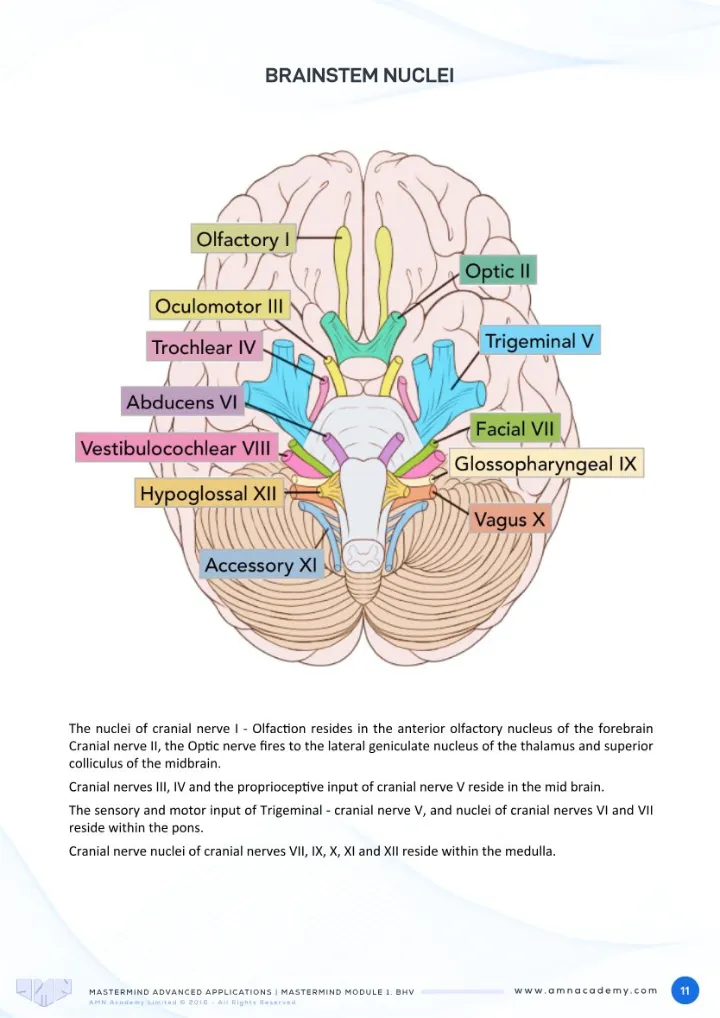
The Mastermind manual sets out the anatomy, the assessment flows and the references for every module, ready to use in a session.
The full course
Theory lectures and practical demonstrations. Most practitioners finish in 2 to 3 months at 15 to 20 minutes a day. Access never expires.
Functional anatomy of the brainstem, cortical structures in central pain processing, scanning the homunculi, testing for nociceptive pain, mental motor imagery, and scanning the viscera from the medulla.
The volitional and emotional motor systems, EMS control of the pelvic floor and pelvic organs, intra-abdominal and thoracic pressure, the nucleus retroambiguus, the orbitofrontal cortex in stuttering, and the foot and ankle in pelvic floor problems.
The peripheral nervous system as one continuum, tension and compression on the nerves, inter-limb neural coupling, the calibrate assessment for a nerve, and mobilising and flossing the upper and lower limb nerves.
Anatomy of sleep and wake states, the main neurotransmitters, assessing arousal and sleep, resetting the body clock, and how light and environment affect circadian biology.
Practitioners
AMN is the best thing I have seen in 2 decades of ongoing education & without question, it’s by quite some distance, the most impactful thing I have come across in terms if changing movement, resolving pain, as well as all manner of dysfunction.
After 25 years in fitness and specializing in back care, discovering AMN was a game-changer. From my first workshop in 2017 to advancing through Levels 1 and 2, and now diving into Level 3, I'm in the most thrilling learning phase of my career.
It was the best move in my career to study this technique.

Your teacher
Personal trainer and the creator of Applied Movement Neurology. He developed the Mastermind screens in response to the complex and resistant cases that came through his own practice.
Four more complete AMN courses, yours for as long as AMN runs its courses. Movement sequences you can coach, hands-on therapy tools, lifestyle lessons and the AMN Docuseries, to learn from and use in your own sessions.
Pay in
fullOnly when you pay £384 in fullNot included with 2 monthly payments. Choose pay in full at checkout.
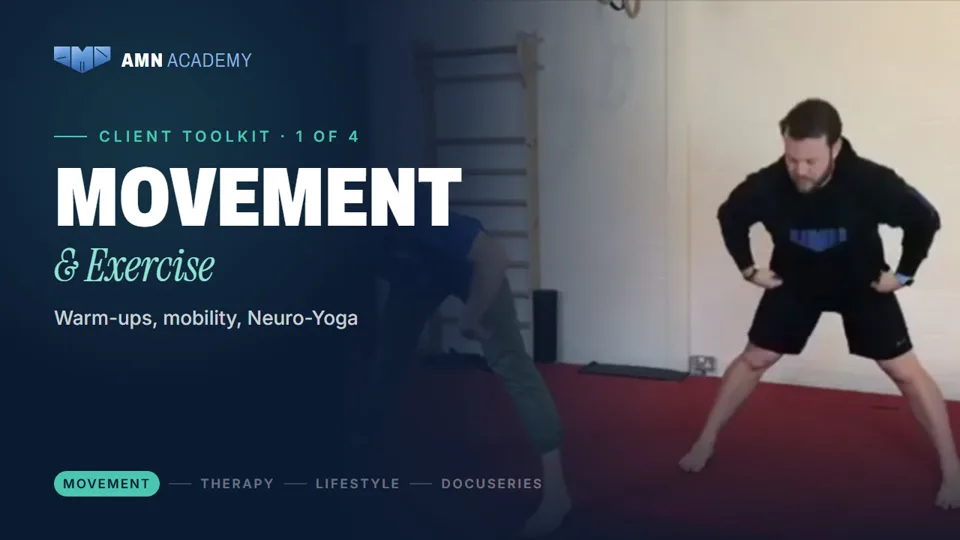
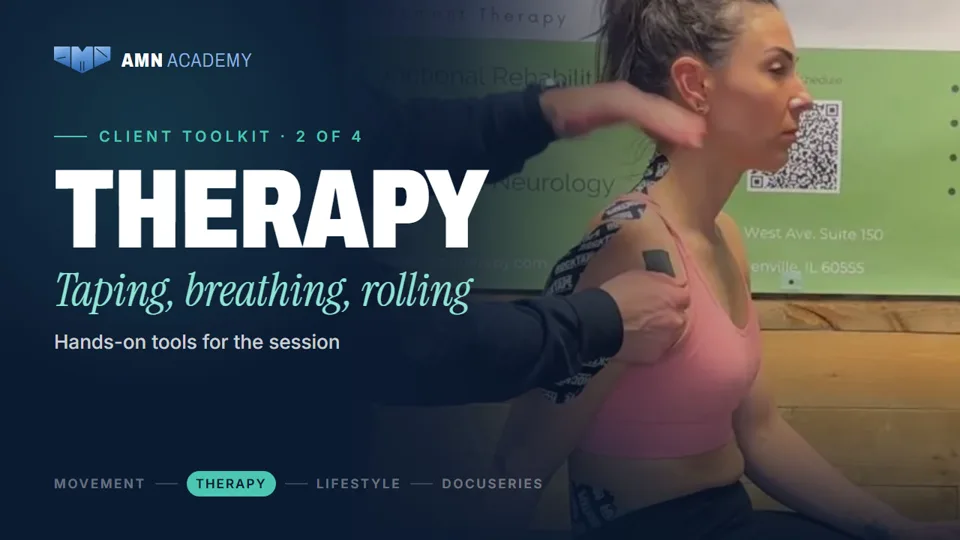
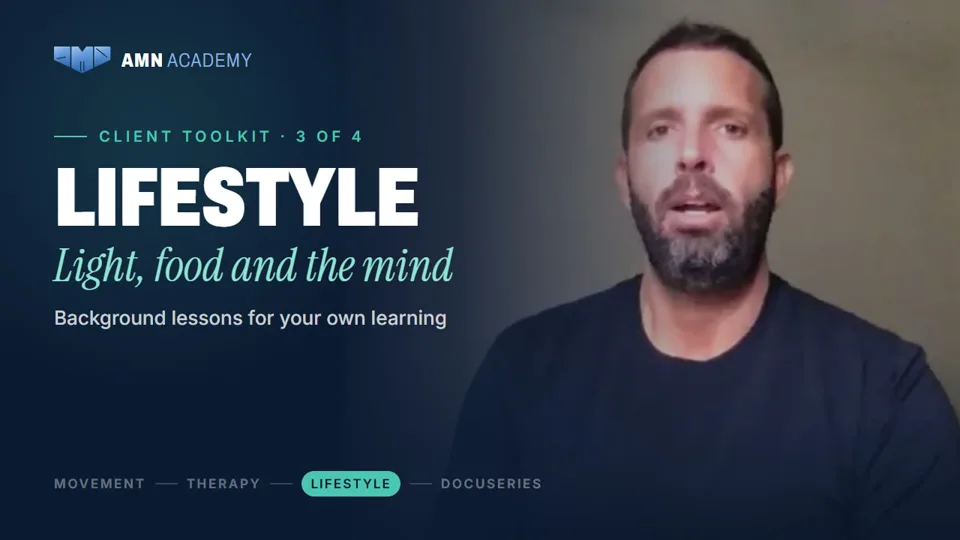
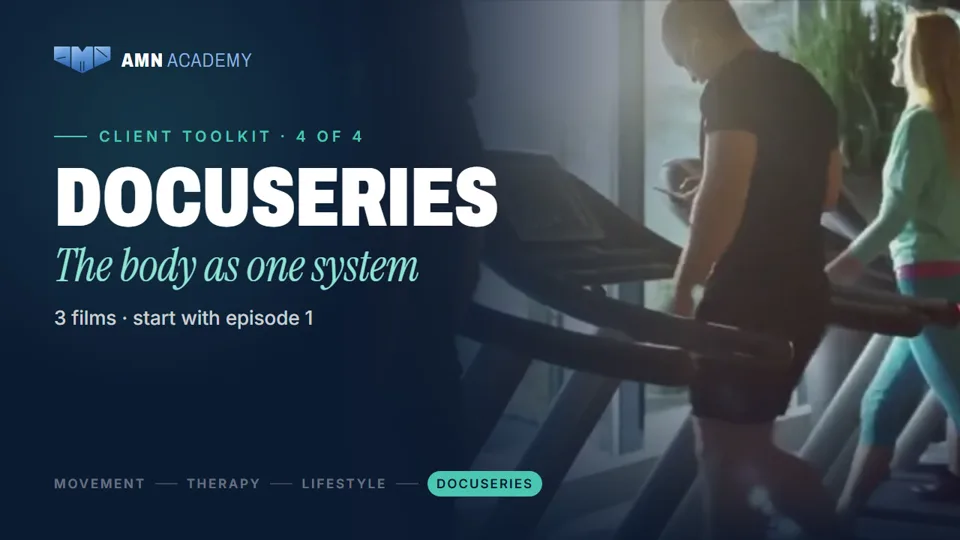
Black Friday bonus · pay in full
Pay £384 in full this Black Friday and the Client Toolkit comes with it, free: four more complete AMN courses to learn from and use in your own sessions, from movement sequences you can coach to taping, breathing and foam rolling. It is not included with 2 monthly payments.
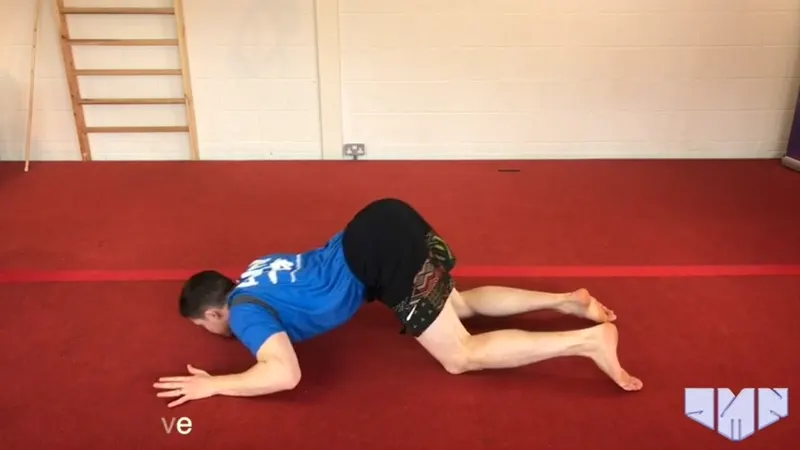
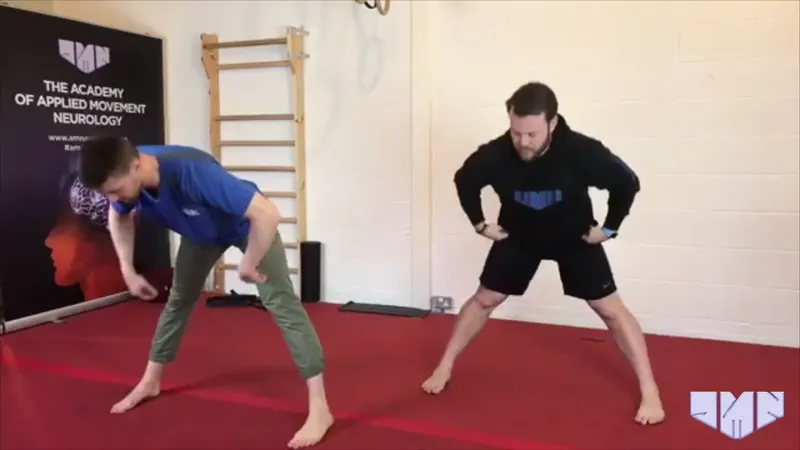
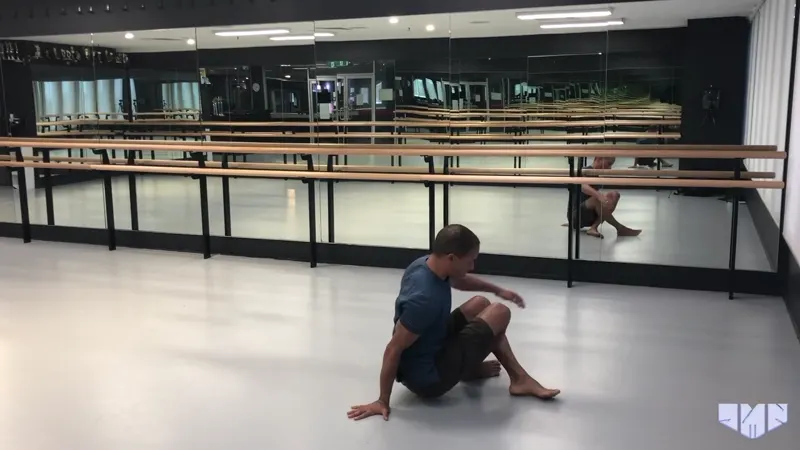
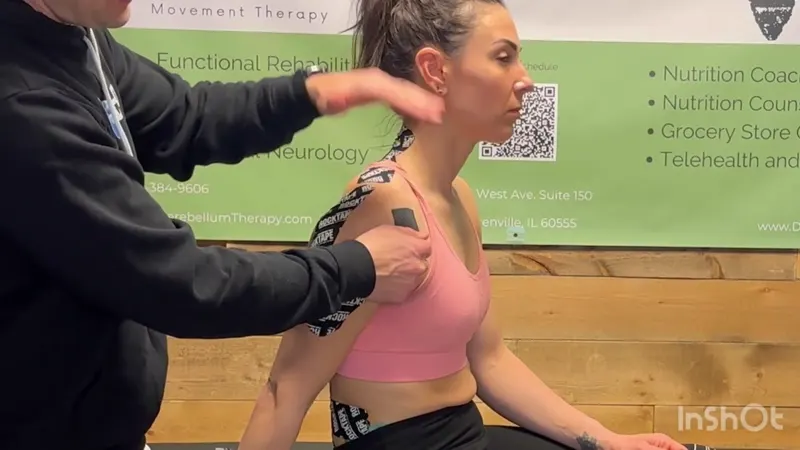
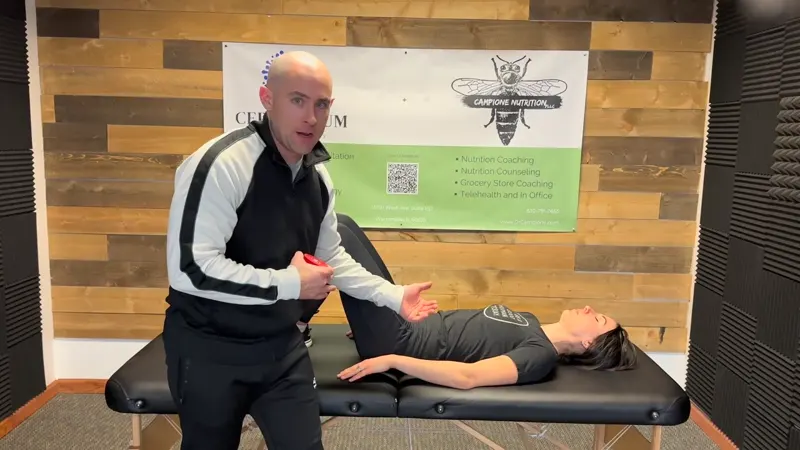
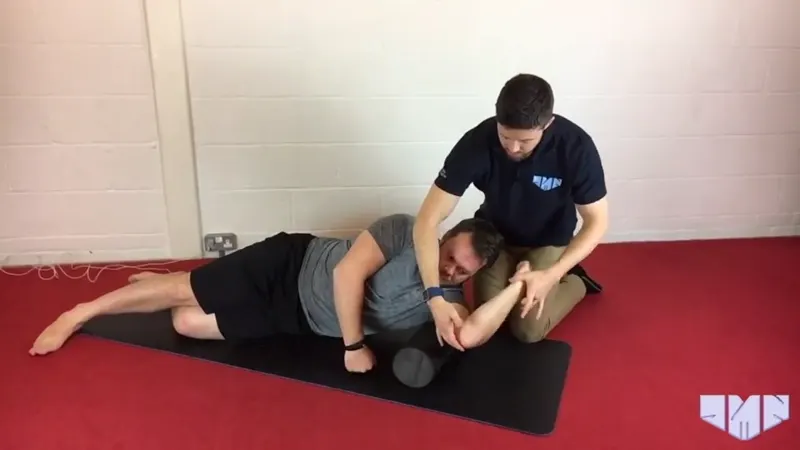

Yours for as long as AMN runs its courses, for you as a practitioner. Already own part of it? You get the rest. Pay in full at checkout to claim it.
Pay £384 in full and get it freeEnrol today
Four screens for the cases that come back. Central pain, the pelvic floor and breathing, the nerves and sleep, all read through the muscle test you already use.
AMN Level 2 Mastermind
£384£549You save £165
£384£549You save £165
Pay £384 in full or 2 × £192.
Questions
Yes. The Mastermind builds on the AMN Level 2 Practitioner Certification and uses the Neuro-Skeletal Screen as its reference point.
Level 2 practitioners: advanced personal trainers, movement therapists and clinicians who want screens for their most complex cases.
Most practitioners finish in 2 to 3 months at 15 to 20 minutes a day. There is no time limit and your access never expires.
Yes. Choose 2 monthly payments of £192 at checkout, or pay £384 in full.
Check with your professional body. We can provide the course information to submit to them.
No. AMN is an exercise-based system. It does not diagnose or treat medical conditions and does not replace medical advice. Clients with unexplained or worsening symptoms should see a medical professional first.
Level 3, then the Level 3 Mastermind, on the AMN pathway.
Four advanced screens for the cases that stay stuck. £384, or 2 × £192.
Enrol for £384