“I can’t check my blind spot.”
Turning one way is fine, the other way stops short. You will learn a visual drill that uses the eyes to open up rotation, and how to check it worked.
£67C-Spine AMN Calibration · Online workshop
Your client checks a blind spot and winces. You have stretched the traps, released the SCM and mobilised the joints, and next week the neck is jammed again. In 37 short video lessons David shows you how to test side-bending and rotation, find what the nervous system is holding on to, and re-test while your client watches.
One payment · 1-year access · start tonight
You have met this neck
It is rarely agony. It is an invisible block. The client can tell you exactly where the movement stops, and nobody has been able to tell them why. The workbook calls it the jammed neck.
Turning one way is fine, the other way stops short. You will learn a visual drill that uses the eyes to open up rotation, and how to check it worked.
Lost lateral flexion often follows the spinal accessory nerve, which drives the trapezius and SCM. You will learn to mobilise it on the side that is stuck.
When the muscles keep bracing, the signal is the issue. The AMN Calibrate fascia screen shows you where, from the scalp to the hand.
The neck is listening.
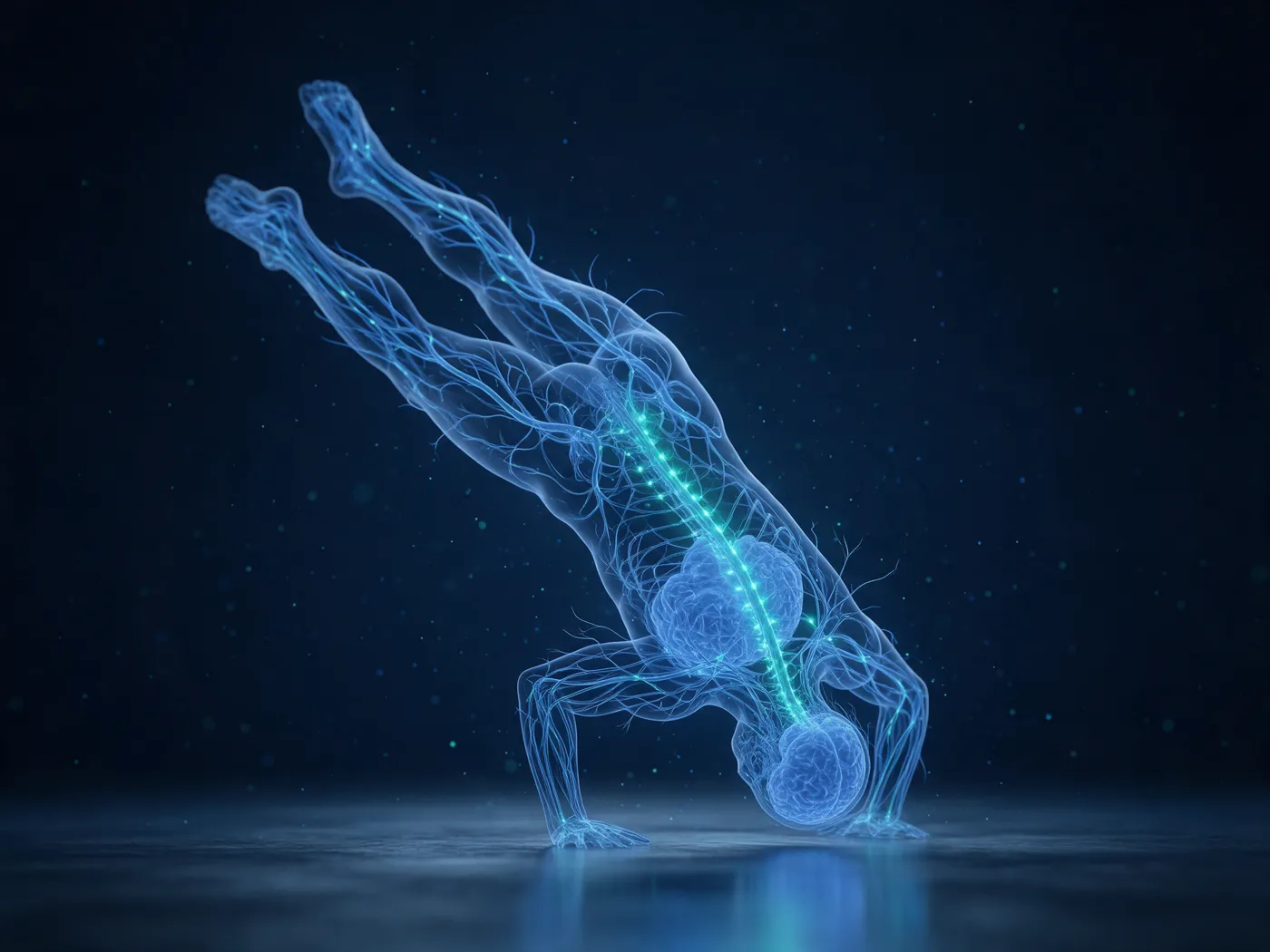
Muscles brace when the nervous system loses its clear signal. Restore the signal, and the movement often comes back in the same session.
Three ways in
Three kinds of input to the nervous system. Then one decision: which comes first for this client.
Hands-off, client-led mobilisation of the spinal accessory nerve, with the safety rules for nerve work: how far, how often, and when to stop.
A visual drill that leads rotation with the eyes, and a sensory drill that uses novelty and attention to unlock motion. Both your client can repeat at home.
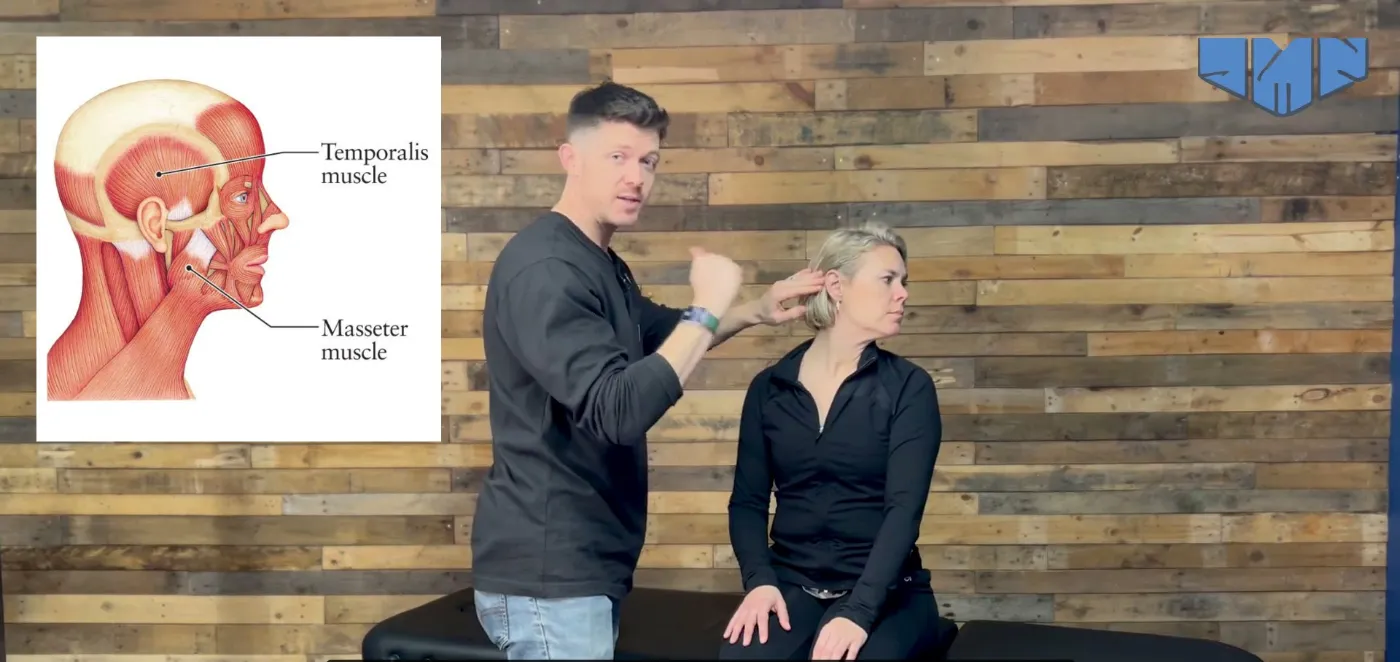
The AMN Calibrate fascia screen: swipe a myofascial zone, test, and calibrate where the muscle test changes. Then prioritise, so you start with what matters most.
Inside the workshop
Short lessons, filmed on real clients, written up in the workbook. Here is what you will be able to do.
Chapter · Practical fascia screening · 25 lessons
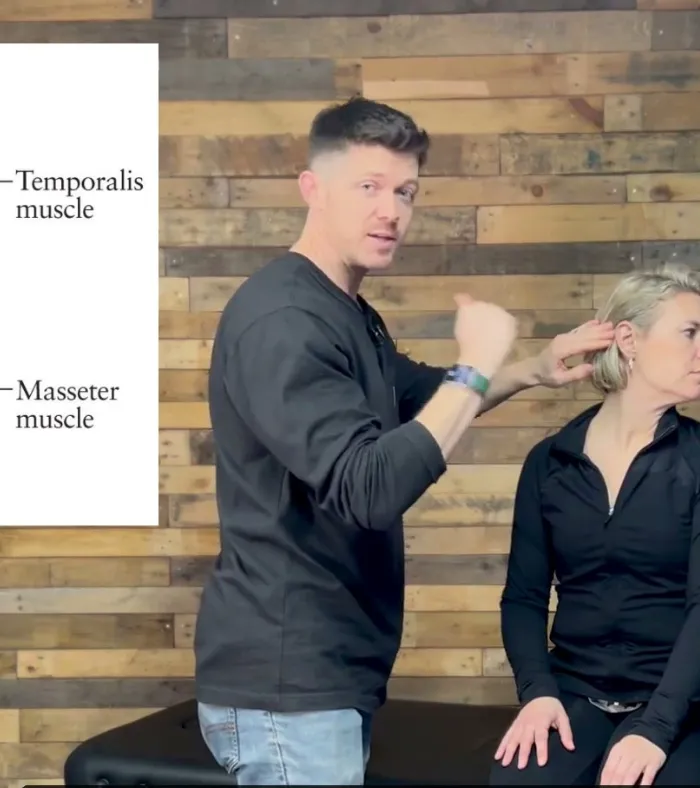
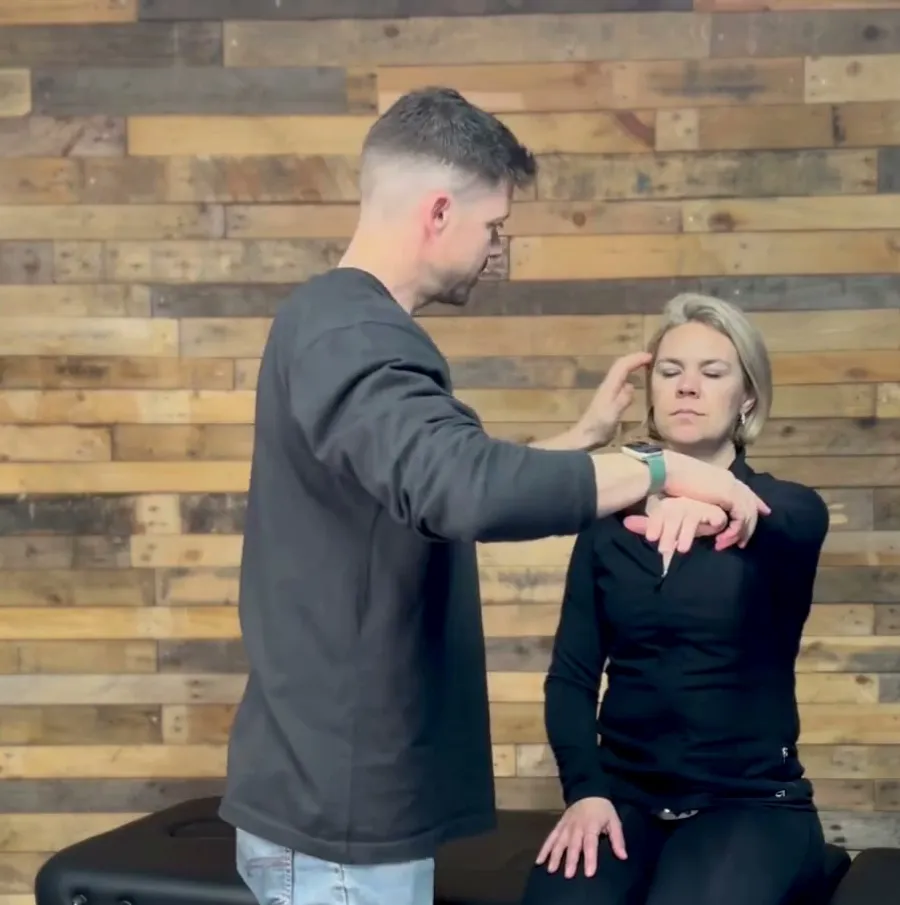
You stand behind the client and swipe the fascia over the temporalis. Their arm drops in the muscle test. Now you know where to work.
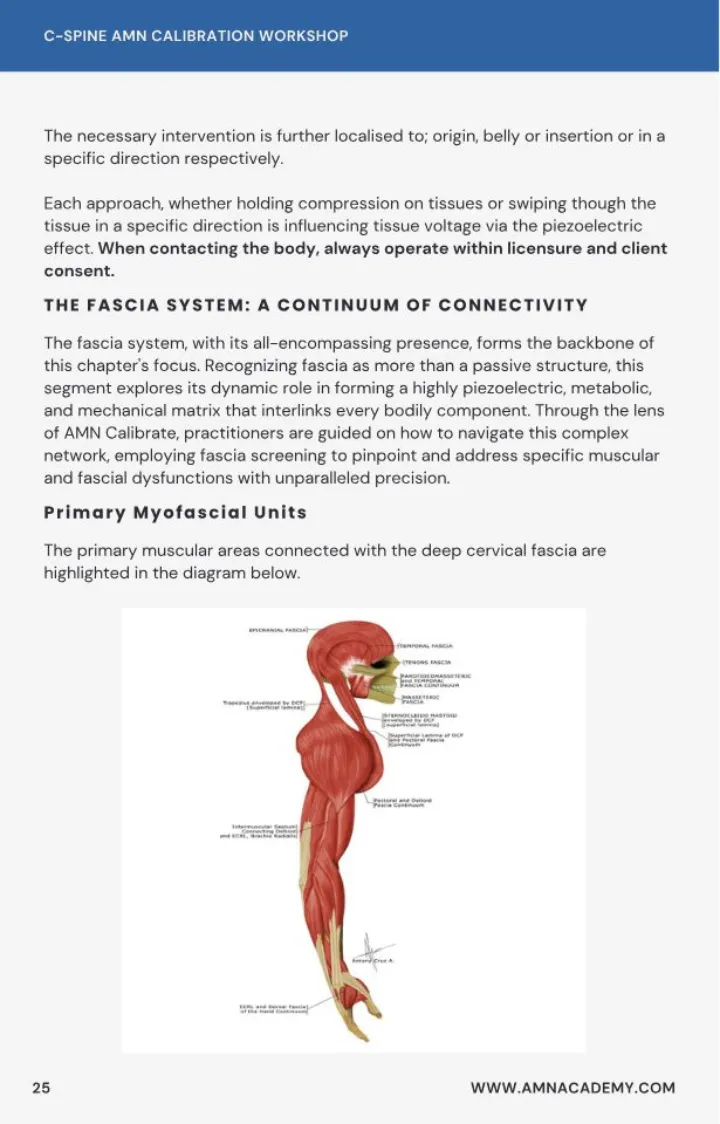
Fascia is one continuous web, and it carries an electrical charge. In this chapter David explains why muscle tests respond to stimulation, how to get a client “online” so the test is reliable, then walks you through each myofascial zone and the full lateralised screen, top to bottom.
The screen runs from the scalp to the thumb and little finger. The same fascial continuum links them, so a finding in the hand can be part of a stiff neck.
Foundations · 3 lessons
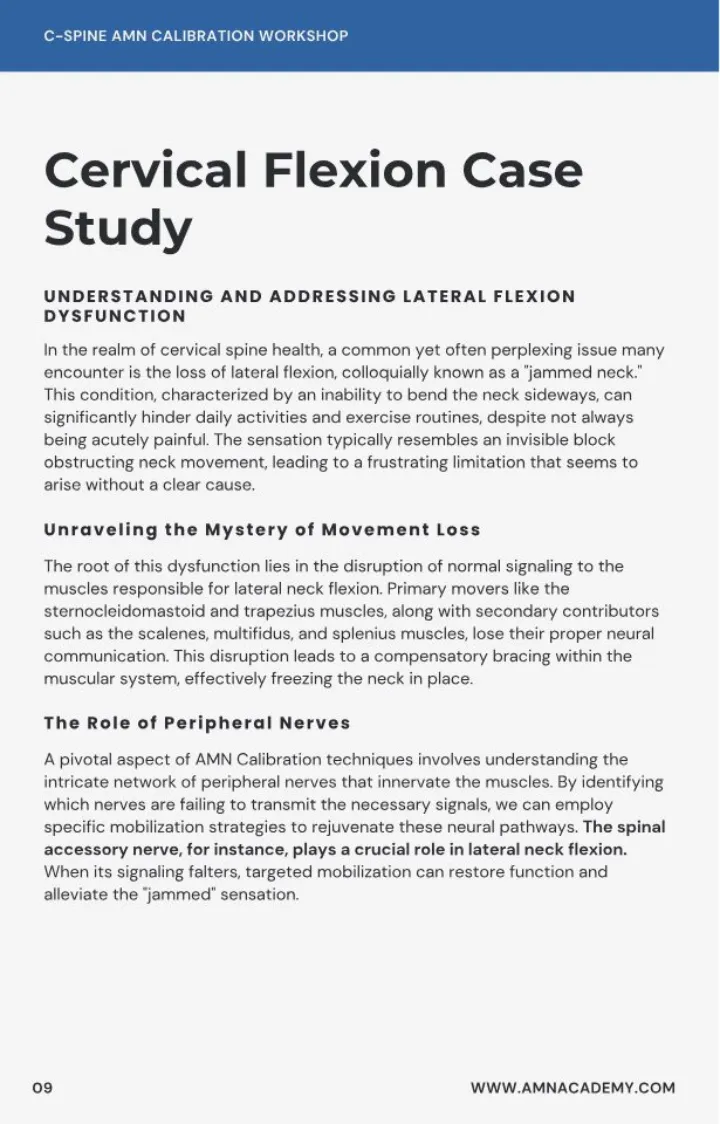
How the brain, spinal cord and peripheral nerves control neck movement, with a cervical case study you will recognise from your own clinic.
Mobility · 5 lessons
The spinal accessory nerve, cranial nerve XI, and the peripheral nerves of the neck. Side-specific, hands-off, with clear safety guidelines.
Mobility
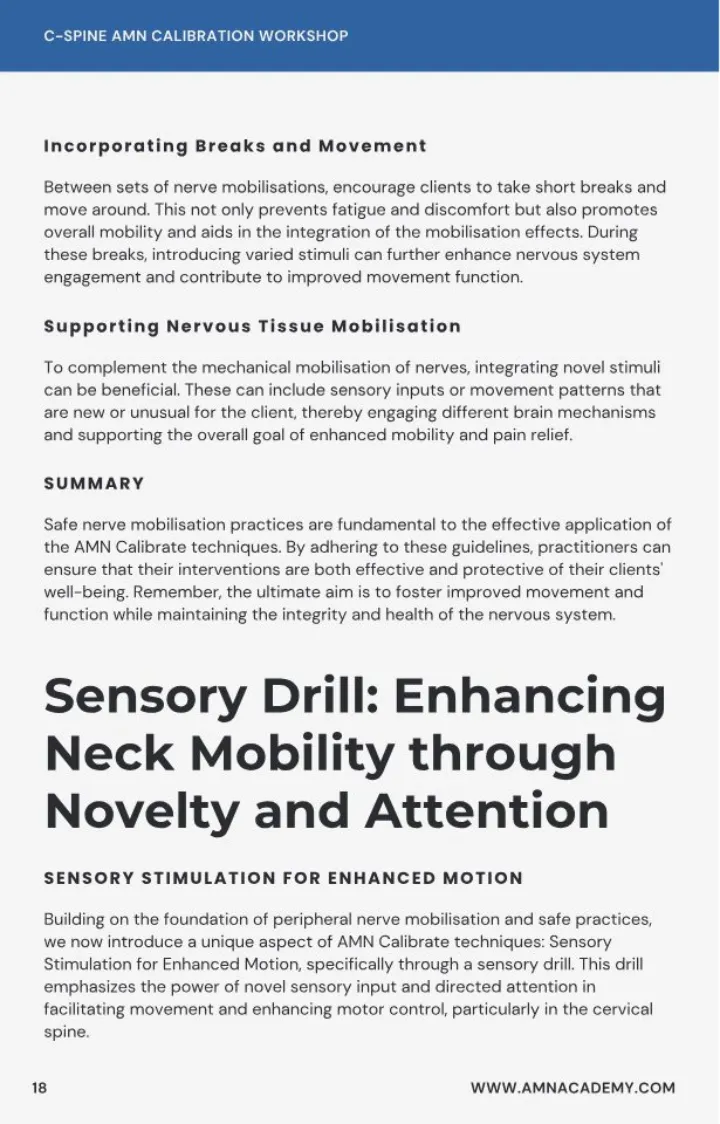
Use attention, novelty and the eyes to improve rotation. Quick drills you can teach in a minute and your client can do at home.
Mobility
Connect the neck to how the whole body moves, so the new range is used, not lost by the next session.
Strategy
Nerve, eyes, senses or fascia. The “priority” principle shows you how to choose the right intervention for each client, with worked examples.
Next step
C-Spine is one complete technique from Applied Movement Neurology. When you want the whole system, CES is where it starts.
Included
The 41-page workbook follows the lessons chapter by chapter, so you can check a step without rewatching a video.
The full workshop
Most people finish in 2 to 3 weeks at 15 to 20 minutes a day. You keep access for a full year.
What you will learn and how to use the workbook alongside the videos.
Nervous system introduction, a cervical flexion case study, and peripheral nervous system basics.
Spinal accessory and peripheral nerve mobilisations, safe nerve mobilisation practices, the sensory drill, the visual drill for rotation, and the holistic cervical integration technique.
How to highlight fascia, why muscle tests respond to stimulation, the piezoelectric effect, deep cervical fascia, getting the client online with troubleshooting, each myofascial zone from the epicranial fascia to the muscles of the hand, building your screening patterns, the full lateralised screen, and calibrating findings at the temporalis, masseter, lateral intermuscular septum and deltoid.
How to prioritise between nerve mobilisation, visual and sensory drills, integrated movement and the fascia screen.
Where C-Spine fits in AMN, and how to keep building your skills.
Practitioners
Before AMN I had to refer clients with some what are now basic issues to other treatments. … It's completely changed my practice for the good and clients refer friends all the time.
It was the best move in my career to study this technique.
Your teacher
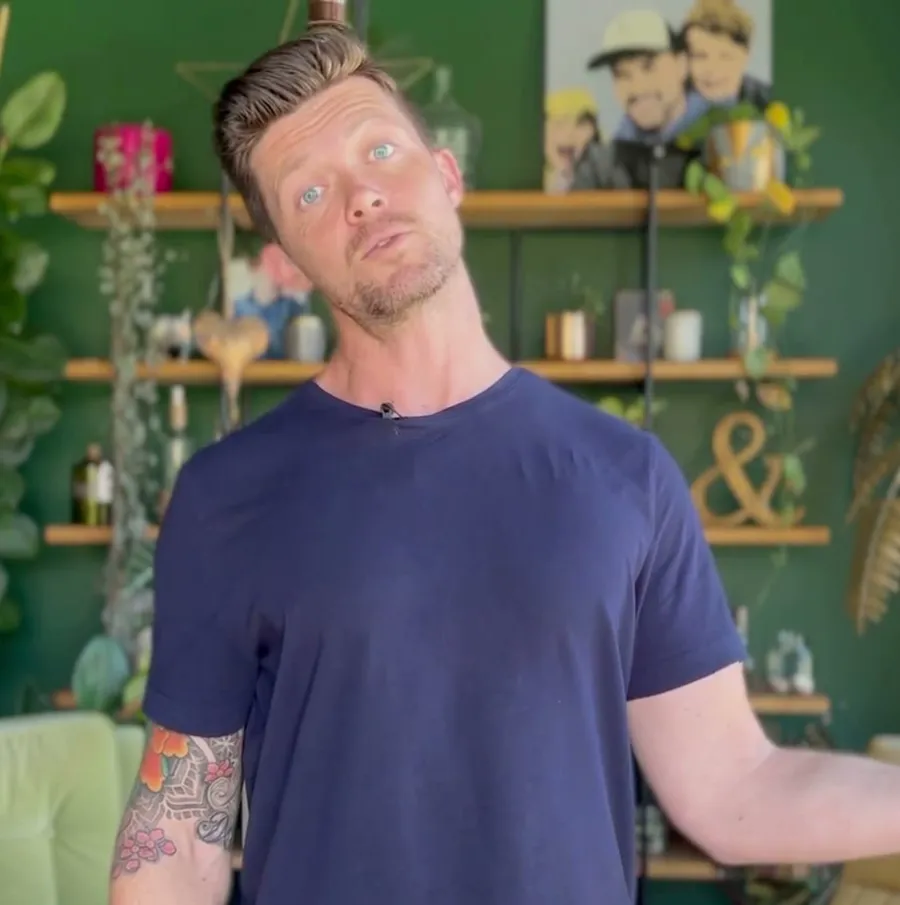
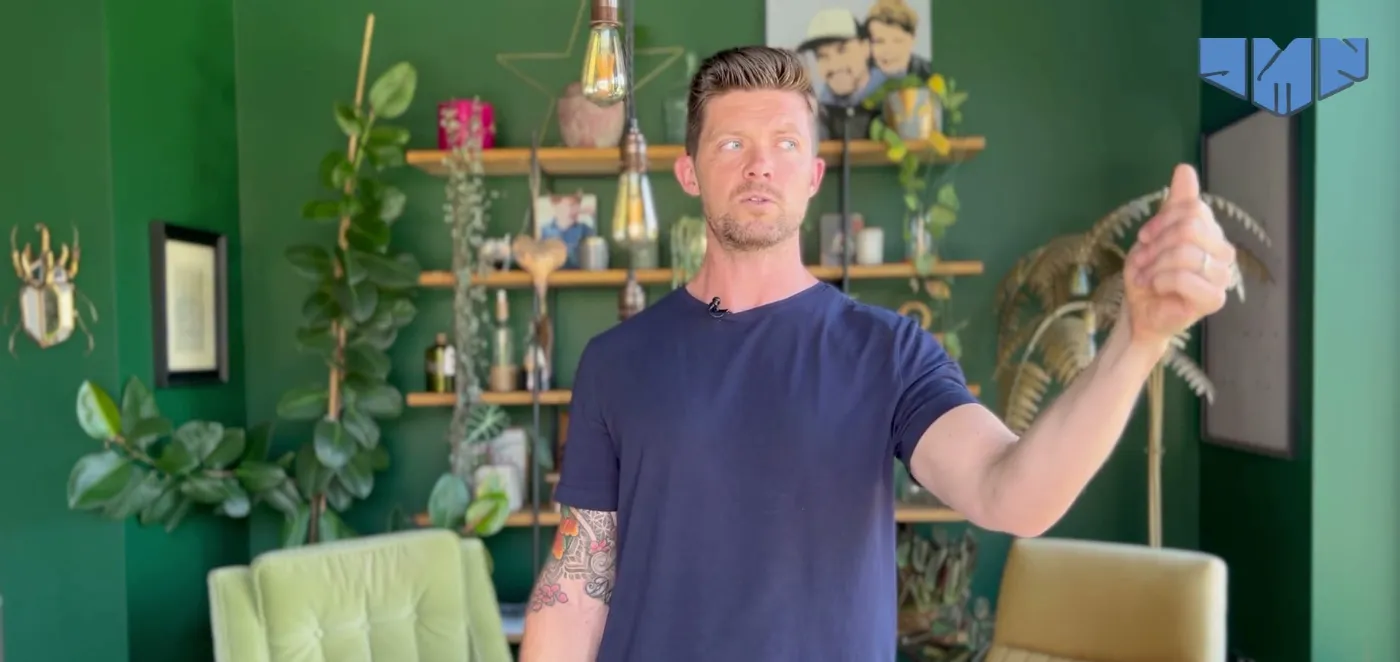
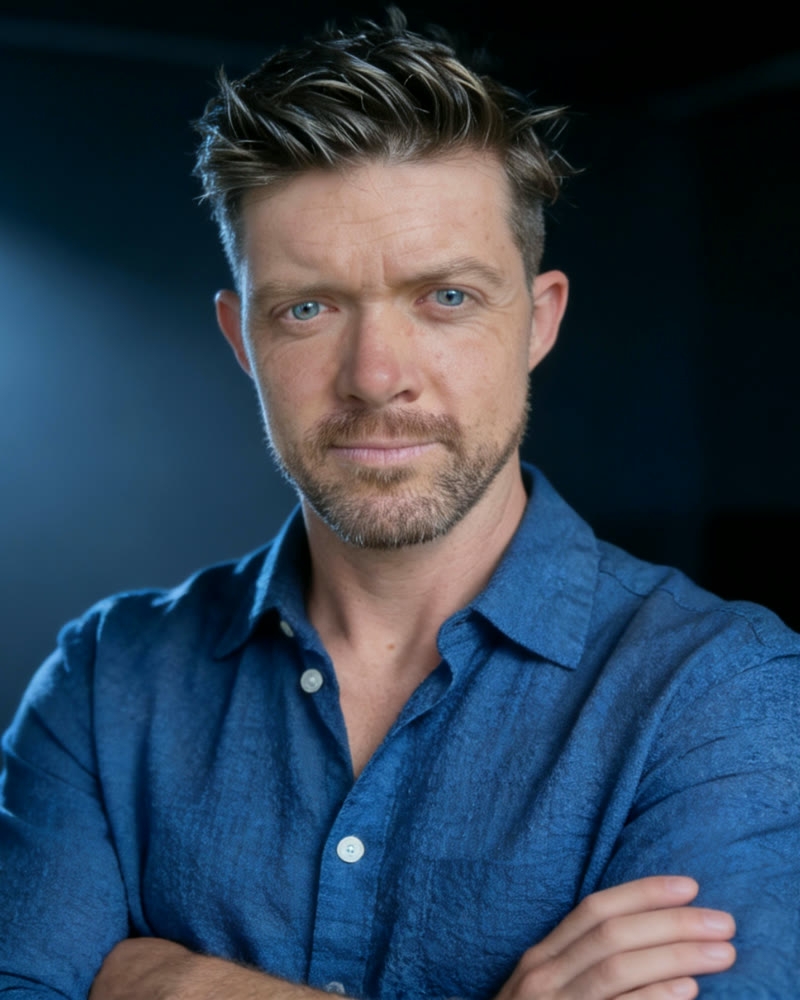
Personal trainer, Holistic Health Practitioner and the creator of Applied Movement Neurology. Practitioners in 65 countries have trained with AMN since 2012.
Start today
The quickest way to see what changes when you work with the nervous system. Watch the first lessons tonight and test a neck this week.
C-Spine AMN Calibration workshop
£67, one payment. Have a discount code? Add it at the payment step.
Questions
Yes. It starts from the foundations and needs no previous AMN course. Basic anatomy and some experience of working with clients will help.
Advanced personal trainers, movement therapists and clinicians who see stiff, restricted necks and want a neurological screen for them.
One year from the day you enrol. Most people finish in 2 to 3 weeks at 15 to 20 minutes a day.
Check with your professional body. We can provide documentation of your participation to submit to them.
Contact the AMN Academy team and we will help you with the content.
No. AMN is an exercise-based system. It does not diagnose or treat medical conditions and does not replace medical advice. Neck pain with numbness, dizziness or a recent injury should be assessed by a medical professional first.
CES, the Corrective Exercise Specialist certification: the full identify, reset, reintegrate method for the whole body, with an exam and certificate.