
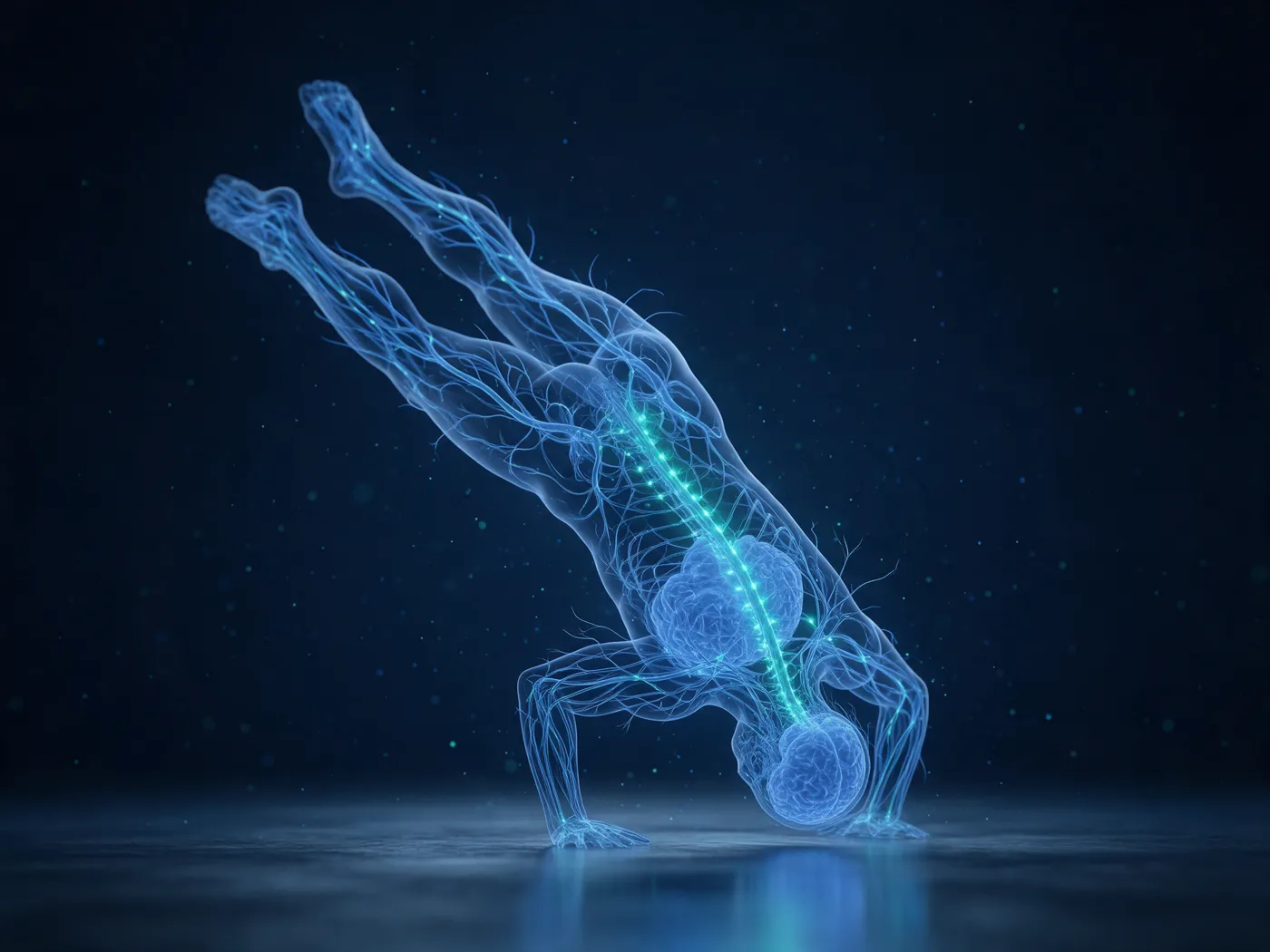
“It still hurts on the stairs.”
Twelve weeks of quads and glutes, and the knee still aches. CES finds the muscle above or below it that never fully switched on, and resets it.
 CES + Level 1 · New student bundle
CES teaches you to find the muscle that has switched off, switch it back on and prove it in the same session. Level 1 goes one layer deeper, into the cerebellum, the inner ear and the eyes that run posture, balance and coordination. Together they are the full foundation of Applied Movement Neurology, for £143 less than buying them apart.
Or 2 × £643 · lifetime access · two certificates
The clients you refer on today
The programme was sound and the client did the work, and the same complaint still walked back in. These are the cases the two courses are built for.
Twelve weeks of quads and glutes, and the knee still aches. CES finds the muscle above or below it that never fully switched on, and resets it.
Upright posture is held by reflexes, not willpower. Level 1 gives you the spinal push test and the calibrations that switch those reflexes back on.
Being uncoordinated is not a fixed trait. Level 1 shows you how to stimulate the visual pathway involved and build coordination that carries into movement.
One method, two layers deep.
CES works where the nerve meets the muscle. Level 1 works where the brain decides how the body moves. With both, you can follow a problem all the way up.
Ahead of its time
Research keeps catching up with the predictive brain, the vestibular system and the eyes as a motor organ. AMN turned these ideas into hands-on tests for trainers and therapists, and has taught them to more than 4,000 students since 2012.
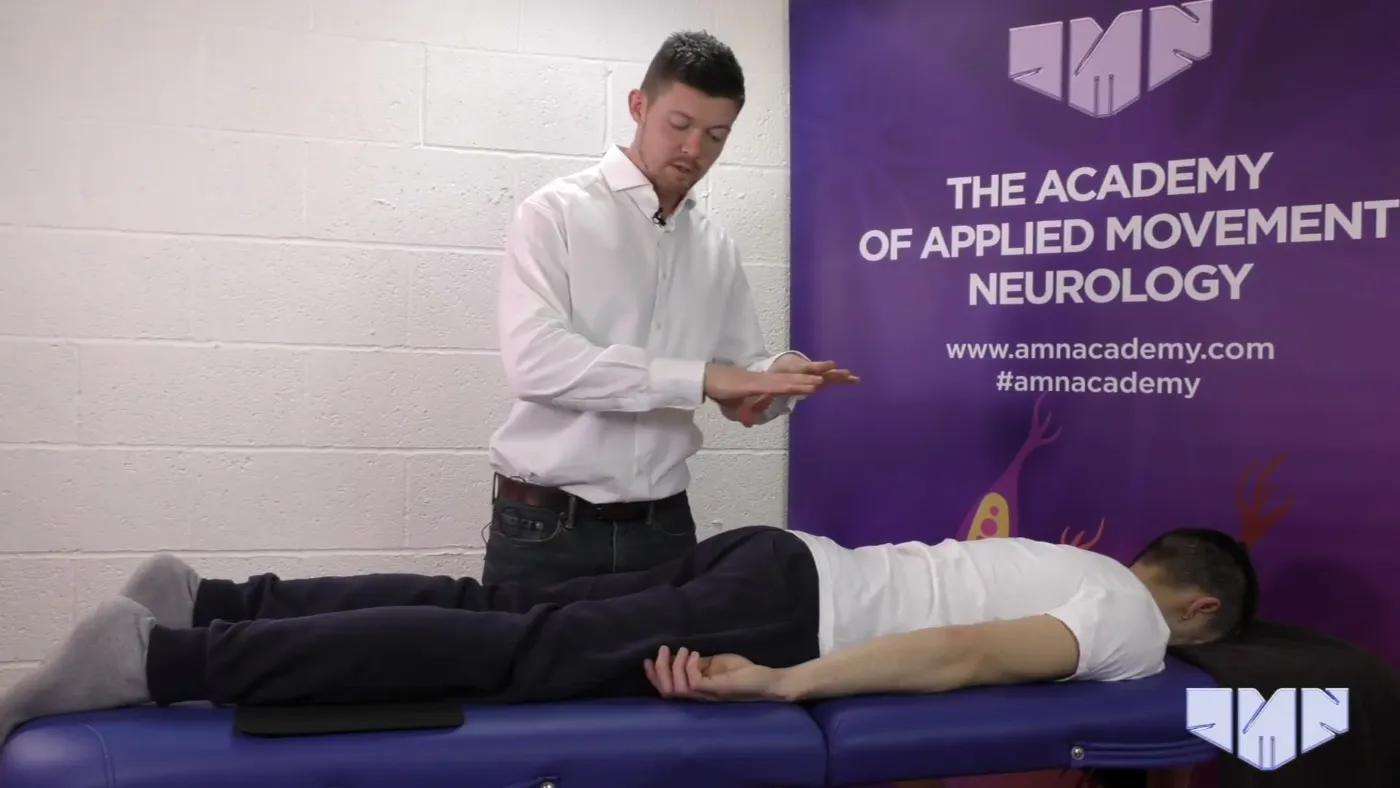
Manual muscle testing, the ventral horn technique and 13 peripheral nerve mobilisations. Find what is switched off and switch it back on.
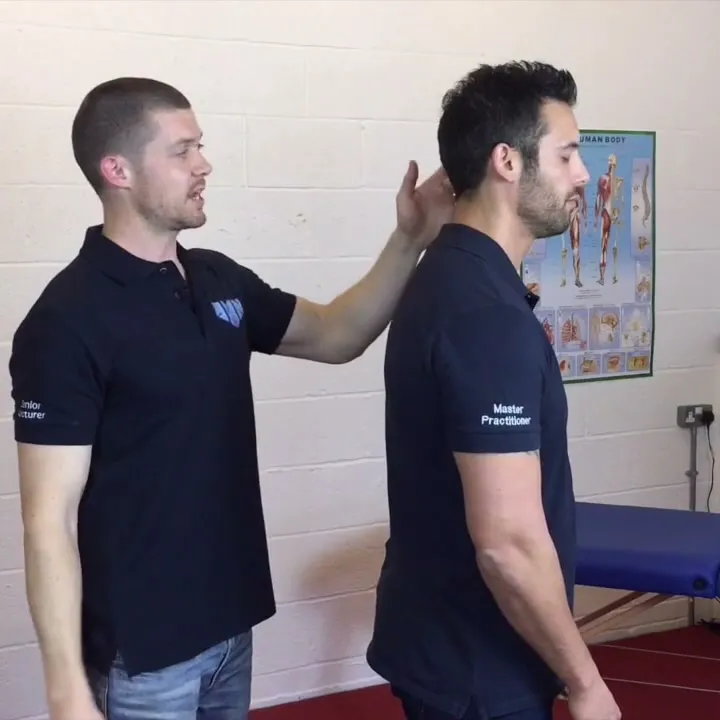
The spinal push test, Romberg’s and the vestibular contact points. Find which side of the system is struggling and restore it.
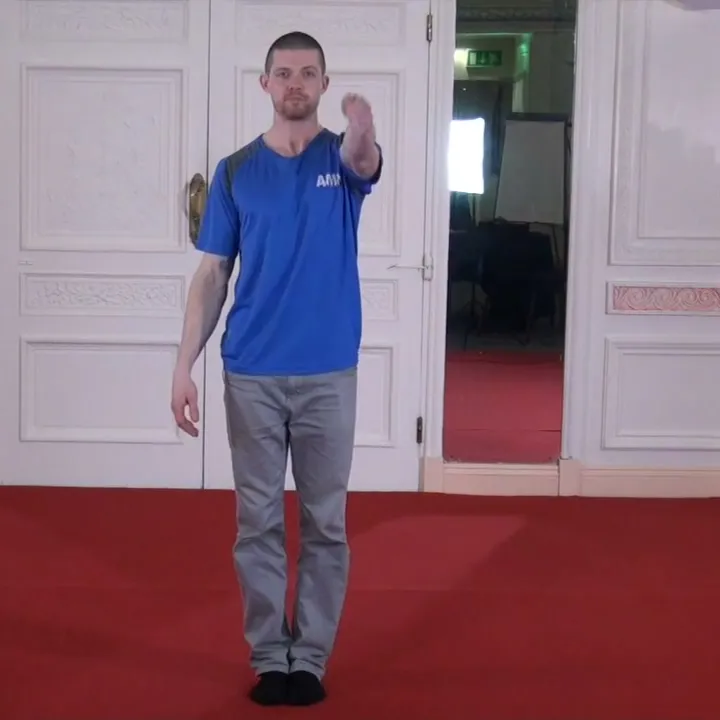
Restorative movement, strength and skill progressions, figure 8s and crawling patterns, so the change holds when your client moves.
Inside the bundle
Every technique ends with a re-test. Your client feels the muscle test change and watches their own balance improve.
CES · Peripheral nerve mobilisations · 16 lessons
Tingling down the leg. Burning across the shoulder. You stretch the hamstring every week and it never lets go.
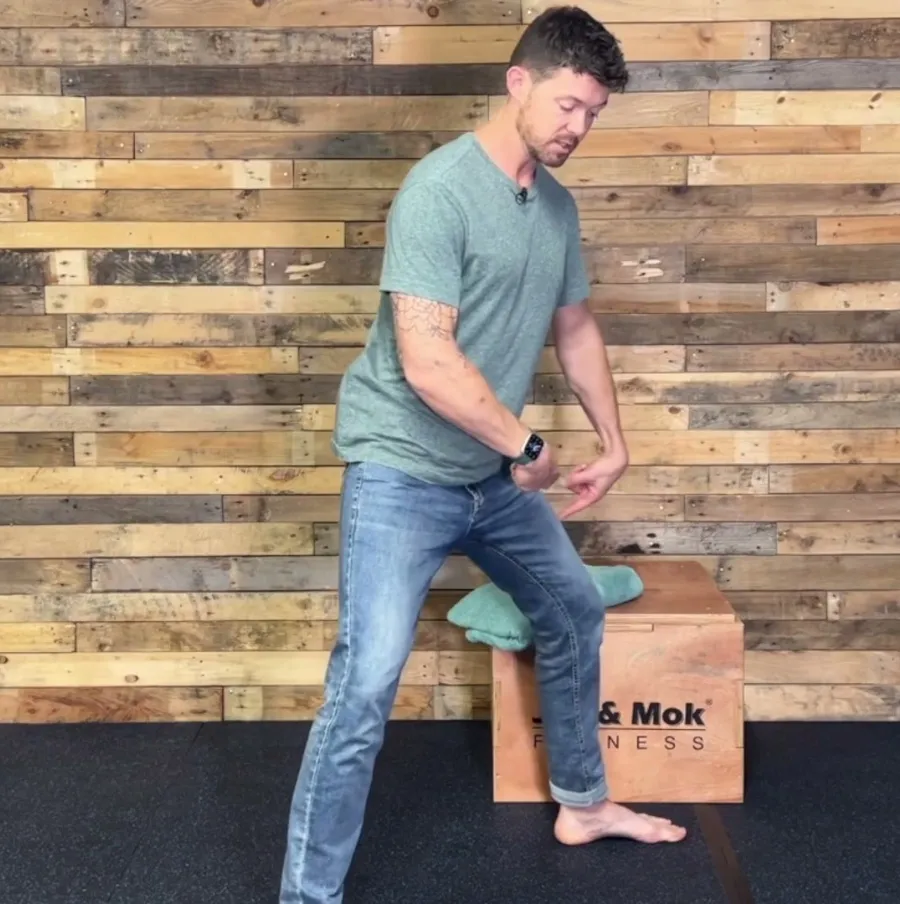
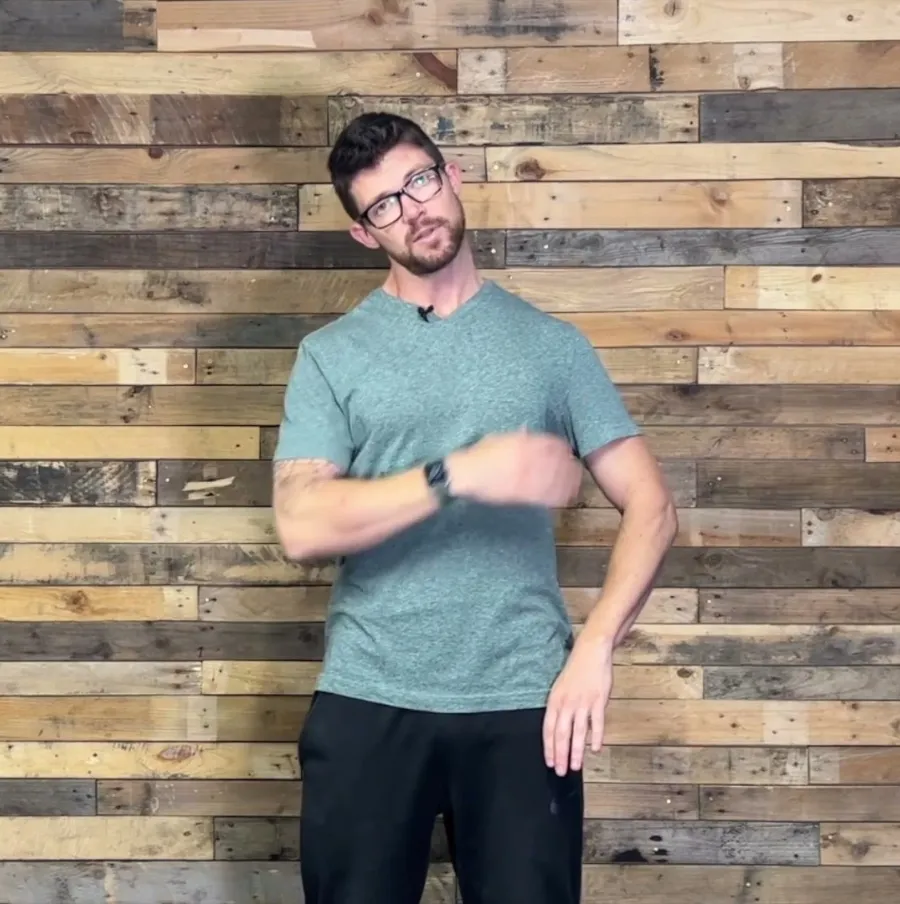
Nerves have to slide every time the body moves. When one sticks, you see pain, restriction and a muscle that tests weak, however much you stretch it. David shows you how to test the muscle a nerve supplies, mobilise that nerve and test again.
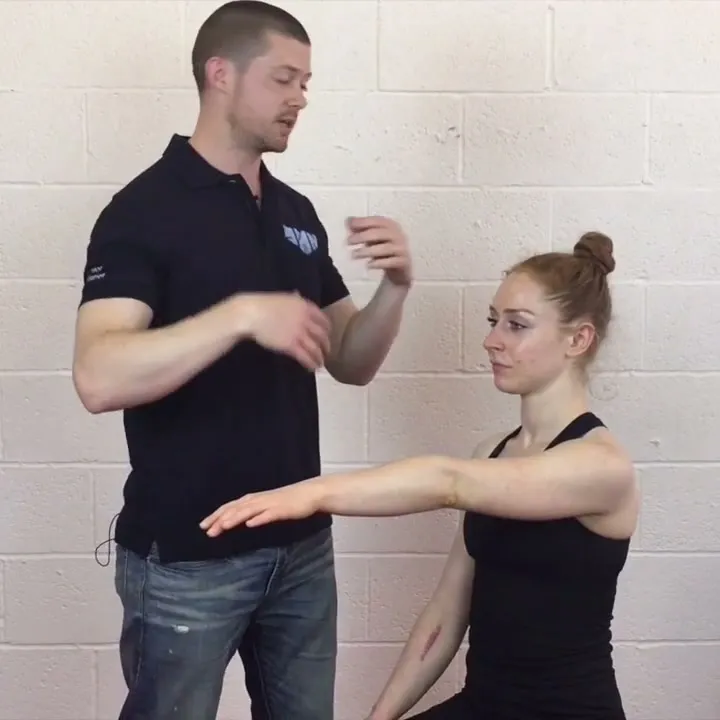
CES · Identify
A complete testing flow of 19 muscles from the ankle to the shoulder, plus quick neurological tests. Run it in minutes and know where to start.
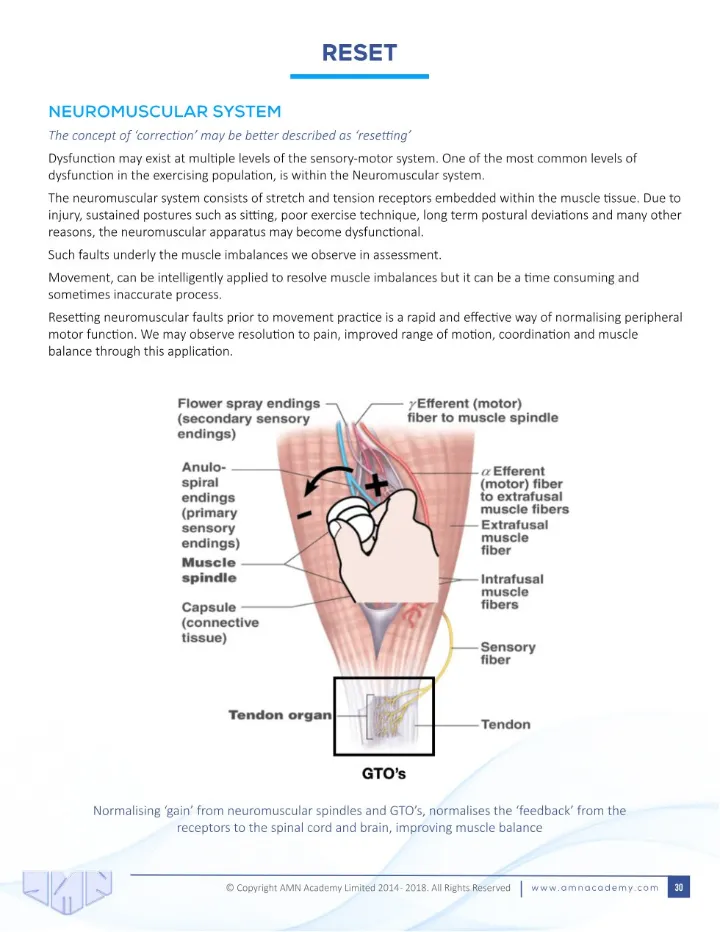
CES · Reset
Tap a deep tendon reflex and watch the muscle test. If it gives way, the nervous system has shown you the spinal level involved. David created this technique.
CES · Strength and skill
Restorative movement flows, then handstand, planche, levers, L-sit and pistol, each broken into 7 to 11 filmed progressions.
Level 1 · Posture
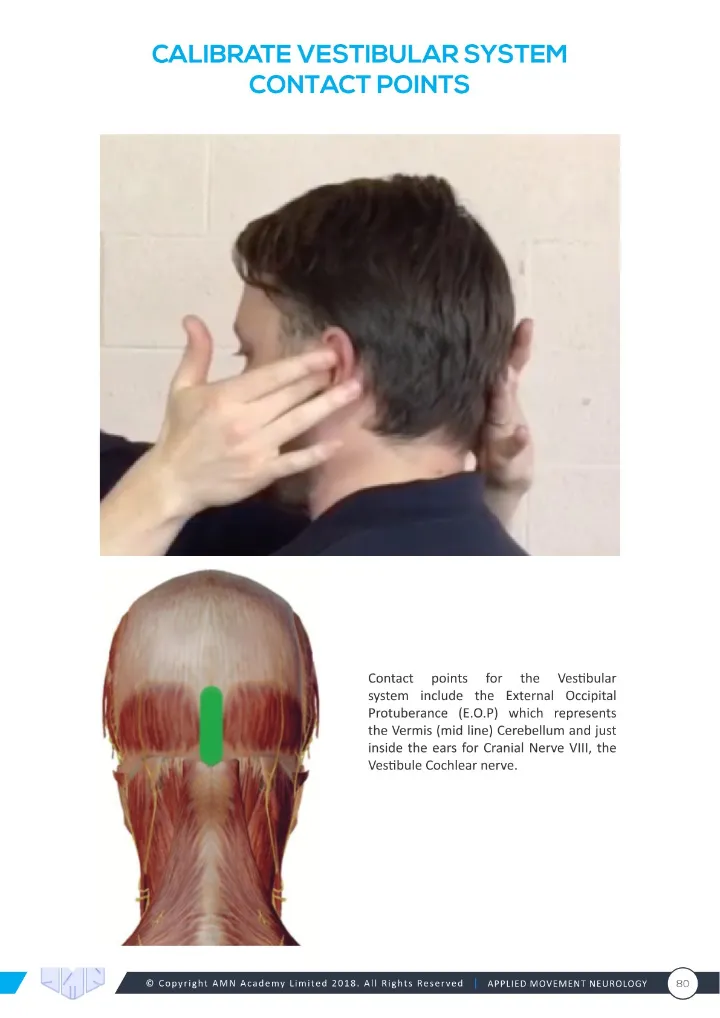
Vestibular Somatic Integration: Romberg’s, the spinal push test, vestibular and endocrine contacts, and the corrective movements that make good posture automatic.
Level 1 · Coordination
The magnocellular and parvocellular pathways and efferent copy. Assess with light and a muscle test, then build coordination with crawls and rhythm.
Certification
Pass the CES exam, then the Level 1 exam, and qualify as an AMN Corrective Exercise Specialist and AMN Level 1 Practitioner.
Included
The 169-page CES manual and the 222-page Level 1 Practitioner Manual follow the lessons chapter by chapter, so you can check a test without rewatching a video.
The full path
Start with CES, then move on to Level 1. Short lessons, 15 to 20 minutes a day, no deadlines and lifetime access to both.
Pain theory; manual muscle testing and the complete testing flow; the ventral horn technique; peripheral nerve mobilisations for 13 nerves and inter-limb coupling; corrective and restorative movement; core activation and reflexes; warm-up, mobility and flexibility; strength and skill with 65+ progressions. Then the CES final exam.
Neural anatomy and the cerebellum; the vestibular system and manual muscle testing; posture part one (Vestibular Somatic Integration) and part two (the spinal push test, spinal stabilisation, corrective movements); coordination through the magnocellular and parvocellular pathways, efferent copy and crawling patterns.
Gait, Romberg’s and sharpened Romberg’s, vestibular canals, cerebellar eye positions, cranial drills, infinity walks, the vestibulo-ocular reflex, resetting gain in the cerebellum, figure 8s and reactive 8s.
Purkinje cell assessment, integrated visuomotor work, cervical kinesthesia, pain and Level 1, respiration basics and interpreting findings. Then the Level 1 final exam.
Practitioners
After 25 years in fitness and specializing in back care, discovering AMN was a game-changer. From my first workshop in 2017 to advancing through Levels 1 and 2, and now diving into Level 3, I'm in the most thrilling learning phase of my career. The skill to alleviate pain and profoundly impact lives, from sleep to gut health, has been transformative.
Before AMN I had to refer clients with some what are now basic issues to other treatments. … It's completely changed my practice for the good and clients refer friends all the time.
It was the best move in my career to study this technique.

Your teacher
Personal trainer, Holistic Health Practitioner and the creator of Applied Movement Neurology. Practitioners in 65 countries have trained with AMN since 2012.
New student bundle
CES on its own is £599 and Level 1 is £829. Together they are £1,285, and you can spread it over 3 months.
CES + Level 1 bundle
Pay £1,285 in full or 2 × £643. Have a discount code? Add it at the payment step.
Questions
CES first, then Level 1. Level 1 builds on the muscle testing you learn in CES. You get access to both straight away.
Advanced personal trainers, movement therapists and clinicians who want to work with pain, posture and movement at the level of the nervous system.
At 15 to 20 minutes a day, Level 1 takes most students 3 to 5 months, after CES. There is no time limit and your access never expires.
Yes. Choose 2 monthly payments of £643 at checkout, or pay £1,285 in full.
The bundle is for new students. If you have CES already, enrol in Level 1 on its own.
Check with your professional body. We can provide documentation of your participation to submit to them.
No. AMN is an exercise-based system. It does not diagnose or treat medical conditions and does not replace medical advice.
The AMN Level 2 Practitioner Certification, the next step on the AMN pathway.
306 lessons, two manuals and two certificates. £1,285, or 2 × £643.
Get both for £1,285